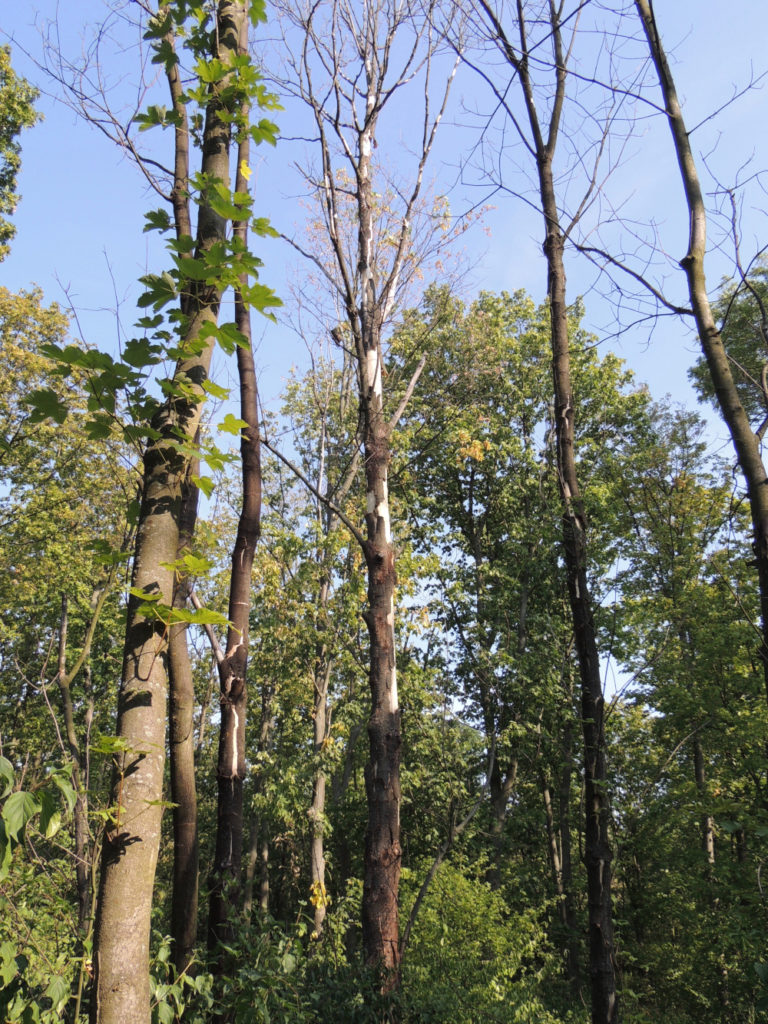
Fir, pine, maple and oak have a high tolerance to heat and drought. Nevertheless, there is currently an increased occurrence of a number of pests and pathogens on these "tree species of the future". In the "CLIFF" project, knowledge about these organisms is to be expanded.
The BML commissioned a consortium with the participation of the Austrian Research Center of Forests (BFW) with the project "FORSITE II - Development of the ecological basis for a dynamic forest typing in Upper Austria, Lower Austria and Burgenland".
In this policy brief we propose measures to maintain the forest carbon sink strength and provide information for the time horizons for achieving the targets
Vienna, Oktober 2019: The effects of the global climate change impact the Austrian forest. This will influence the contribution of the forest to climate protection. With the rising average temperature, the carbon storage capacity decreases. Necessary adaptations affect the economic yields from the raw material timber. The less wood is used as replacement for non-renewable […]
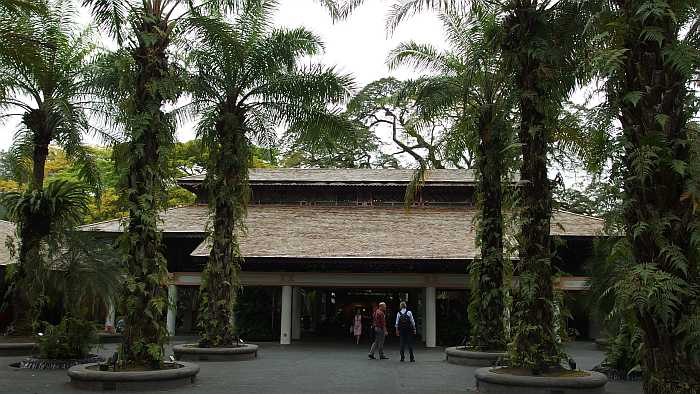
With the SINSOIL project, the first baseline data on soil GHG emissions (CO2, N2O and CH4) from a natural forest land and an urban parkland in Singapur under commonly used management practices (grass vegetation, N fixing plants and compost application) over a 1 year period will be collected. Studies on greenhouse gas (GHG) emissions in […]
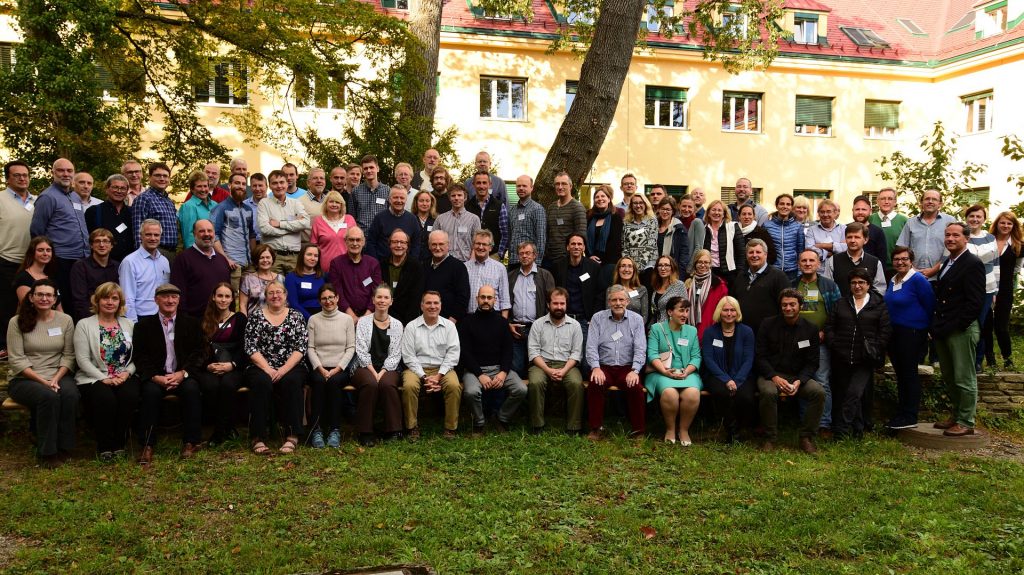
The Conference Preparing Europe for invasion by the beetles emerald ash borer and bronze birch borer, two major tree-killing pests, held in Vienna, Austria, on 1-4 October 2018. The conference focus on the threats to European forests from two tree-killing pests, the emerald ash borer (EAB), Agrilus planipennis, a buprestid native to SE Asia and […]
CHEERS is a European project concerning the protection of cultural heritage exposed to environmental risks (natural disasters, climate change, etc.).
A multimedia e-learning course will be developed and the content will be freely available in English, Croatian, German and Slovenian language.
Until now the data of growing stock were hardly comparable across country borders. The European National Forest Inventories have now succeeded to harmonise the computation of growing stocks within the scope of the Horizon 2020 project “DIABOLO”. A major support for the information needs at the European level. National Forest Inventories are the major source […]
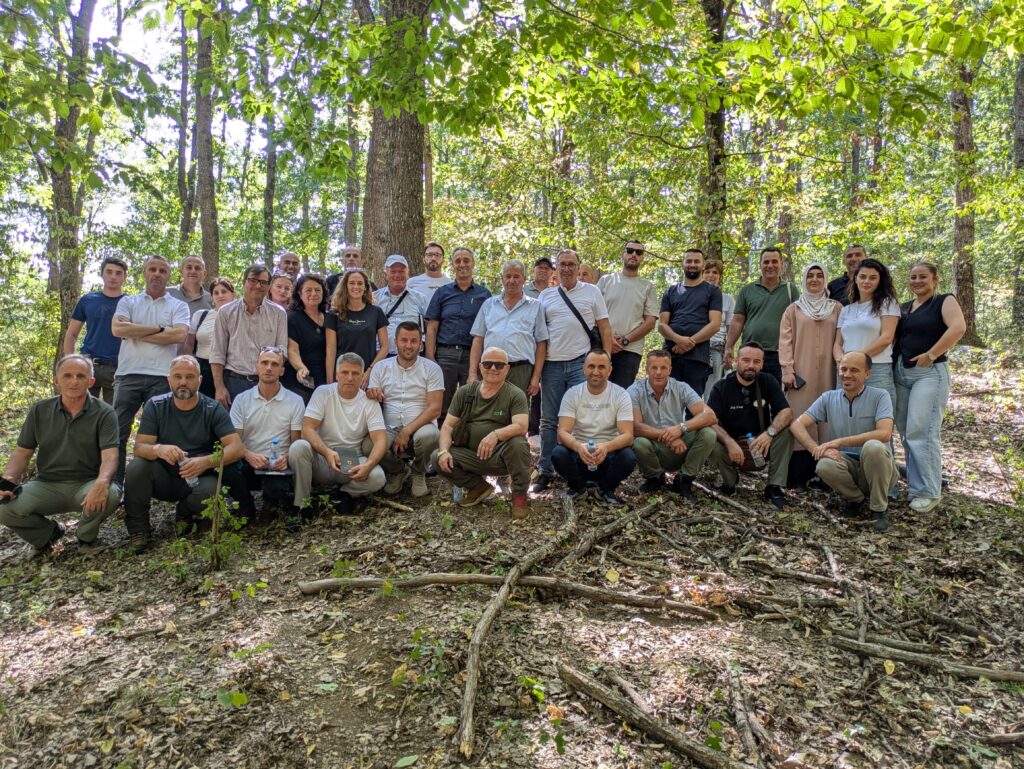
From August 18 to 22, a five-day training course was held in Kosovo for 38 participants from the Kosovo Forest Agency (KFA) and inspectors from the Ministry of Agriculture and Forestry. The aim of the event was to deepen knowledge and experience in the field of sustainable and multifunctional forest management and to promote professional exchange.
In 2013 the Stabilisation and Association Agreement (SAA) between the EU and the Republic of Serbia entered into force. Article 1 Section 2 (d) of the SAA states that the aim of the Association established is "to support the efforts of Serbia to develop its economic and international cooperation, including through the approximation of its legislation to that of the Community".
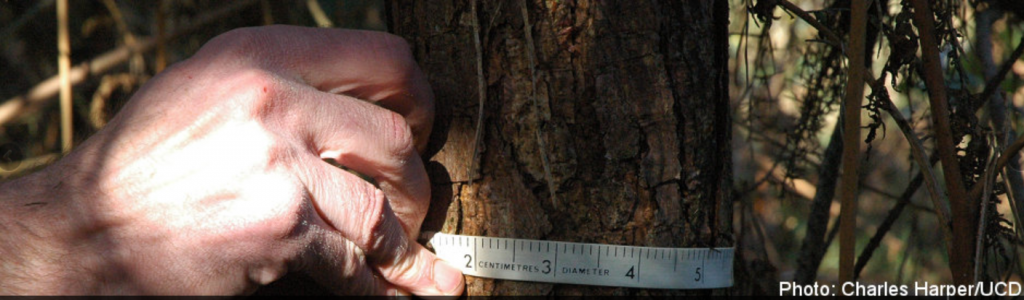
Austrian Forest Inventory 2018-2023 shows effects of climate change and emphasises the importance of active forest management.
Comprehensive information on forest ecosystems and landscape changes are collected through national forest inventories. More efforts are needed to harmonise the data to make it comparable and easy to access. The project DIABOLO tackles Europe’s social, ecological and economic challenge, by providing such a platform of exchange. The increasing competition for forest resources will necessitate […]
Research cooperation for the realization of sustainable and climate-adapted forest conversion.
Microsoft will no longer support Internet Explorer. Therefore please download a modern browser to view the BFW website.