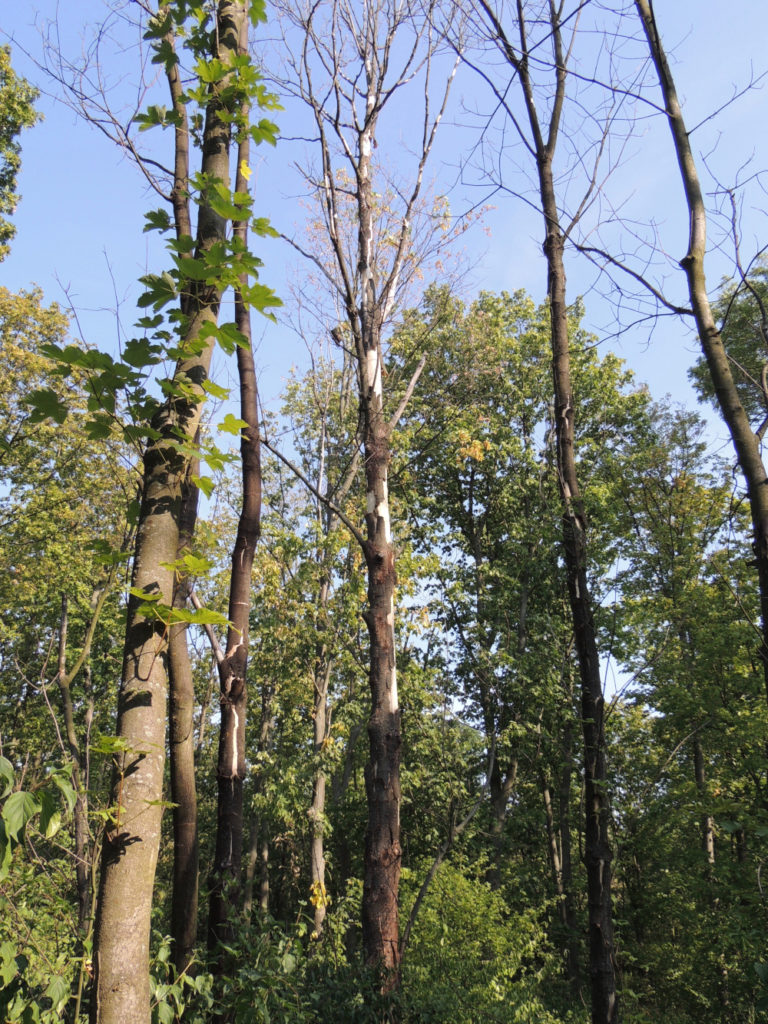
Fir, pine, maple and oak have a high tolerance to heat and drought. Nevertheless, there is currently an increased occurrence of a number of pests and pathogens on these "tree species of the future". In the "CLIFF" project, knowledge about these organisms is to be expanded.
The BML commissioned a consortium with the participation of the Austrian Research Center of Forests (BFW) with the project "FORSITE II - Development of the ecological basis for a dynamic forest typing in Upper Austria, Lower Austria and Burgenland".
In this policy brief we propose measures to maintain the forest carbon sink strength and provide information for the time horizons for achieving the targets
Climate change is likely to alter the future growth capacity of European forests in providing vital ecosystem services. Adaptive management aiming at reducing vulnerability and enhancing the resilience of forest ecosystems is a key to preserve the potential of forests.
Pause for a moment and think about what type of landscape the terms “nature” or “naturalness” evokein you. It’s quite possible that a forest will appear in front of your mind’s eye. The forest is likeable and, one could argue, constitutes a complex backdrop. It is made of numerous spatial and temporal planes that are […]
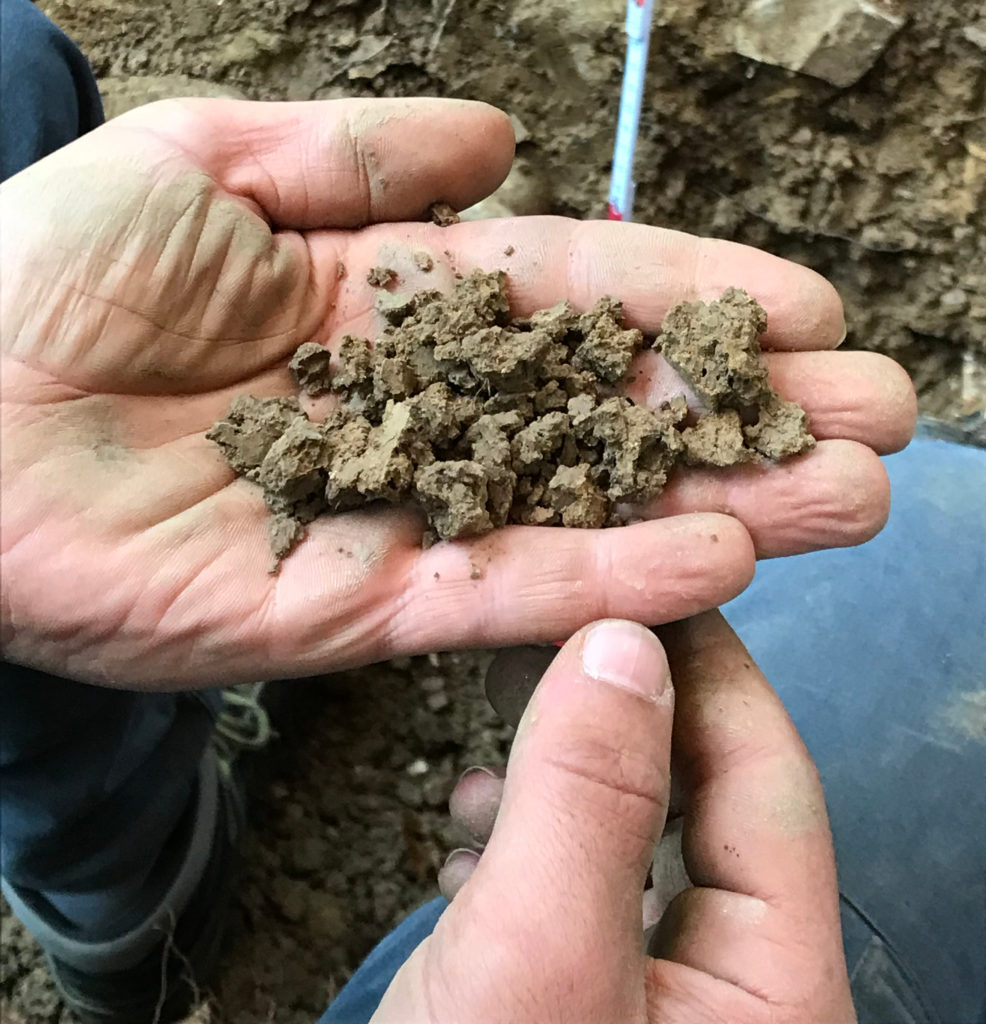
The first BFW “Code of Practice for the Assessment of Surface Runoff Coefficients for Alpine Soil/Vegetation Complexes in Torrential Rain” has been published in 2004 (in German language). The Interreg-South East Europe-Project CC-WaterS offered the opportunity to integrate some new findings in experimental runoff research and to release a report in English language in 2011. […]
As early as the COST Action E27 on the harmonization of protected forest areas (2002-2006), it became clear that protected forest areas in the strict categories account for only around 3% of Europe's forest area. The question therefore remains: what is happening in terms of biodiversity conservation in the remaining 97% of the forest?
Cecil Konijnendijk is a scientist specialising in urban forestry. The United Nations and governments in more than 30 countries value his expertise. He is currently achieving great success with his 3-30-300 rule, which is considered a democratic tool for more green space in the city.
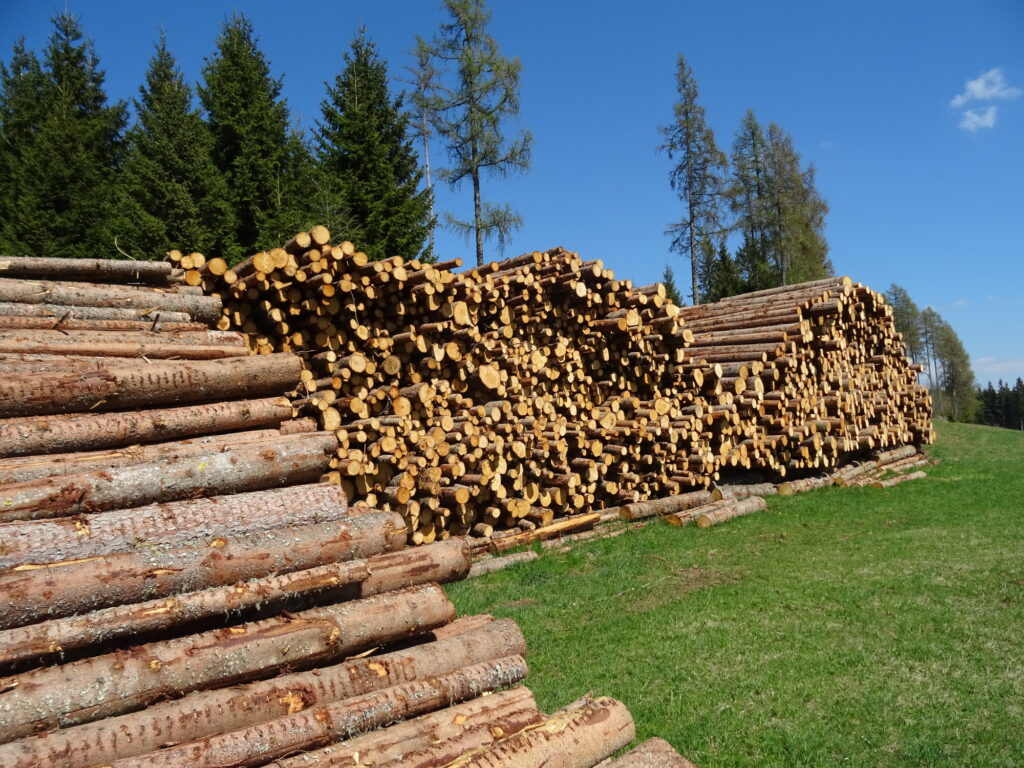
A new definition on forests available for wood supply has been found! BFW together with partner institutions recently published a paper on this topic.
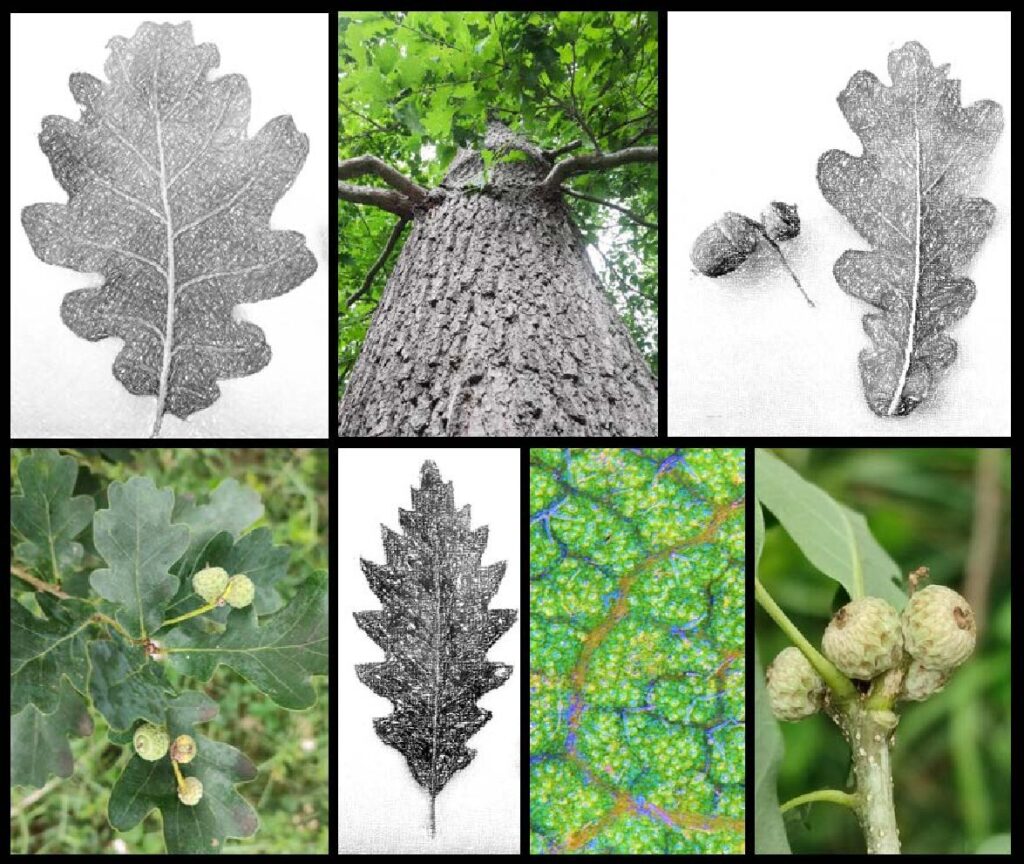
The project, funded by the Climate Energy Fund, investigates white oak species complexes as a model system and the role of hybridization in climate adaptation. A particular focus is on Austria and south-eastern Europe.
Microsoft will no longer support Internet Explorer. Therefore please download a modern browser to view the BFW website.