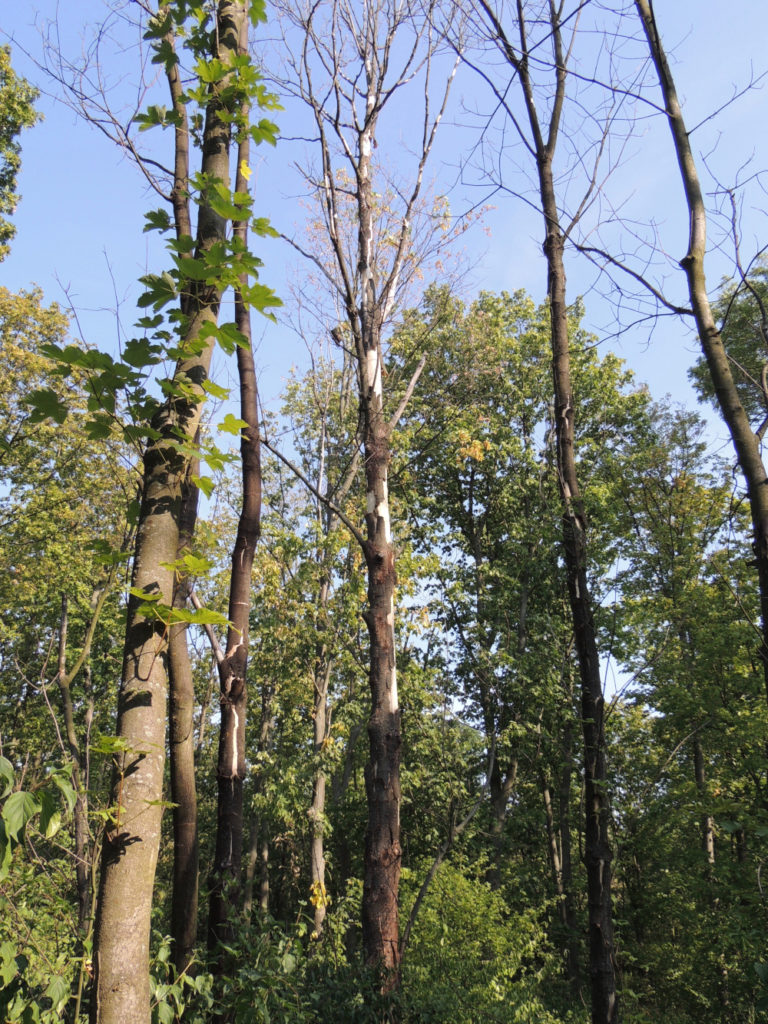
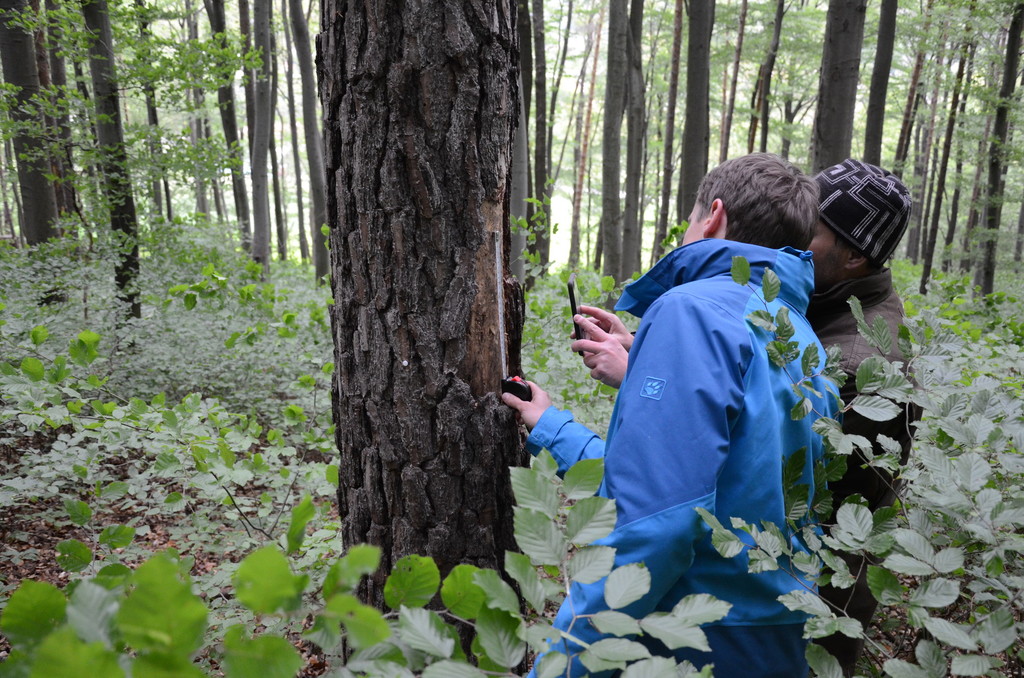
Fir, pine, maple and oak have a high tolerance to heat and drought. Nevertheless, there is currently an increased occurrence of a number of pests and pathogens on these "tree species of the future". In the "CLIFF" project, knowledge about these organisms is to be expanded.
The BML commissioned a consortium with the participation of the Austrian Research Center of Forests (BFW) with the project "FORSITE II - Development of the ecological basis for a dynamic forest typing in Upper Austria, Lower Austria and Burgenland".
In this policy brief we propose measures to maintain the forest carbon sink strength and provide information for the time horizons for achieving the targets
Climate change is likely to alter the future growth capacity of European forests in providing vital ecosystem services. Adaptive management aiming at reducing vulnerability and enhancing the resilience of forest ecosystems is a key to preserve the potential of forests.
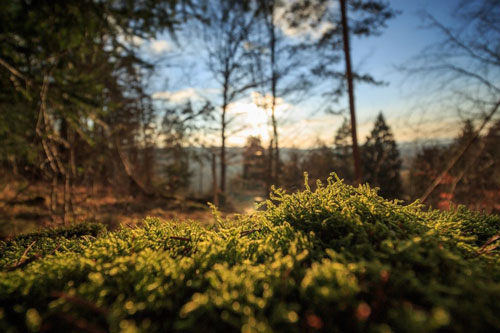
Pause for a moment and think about what type of landscape the terms “nature” or “naturalness” evokein you. It’s quite possible that a forest will appear in front of your mind’s eye. The forest is likeable and, one could argue, constitutes a complex backdrop. It is made of numerous spatial and temporal planes that are […]
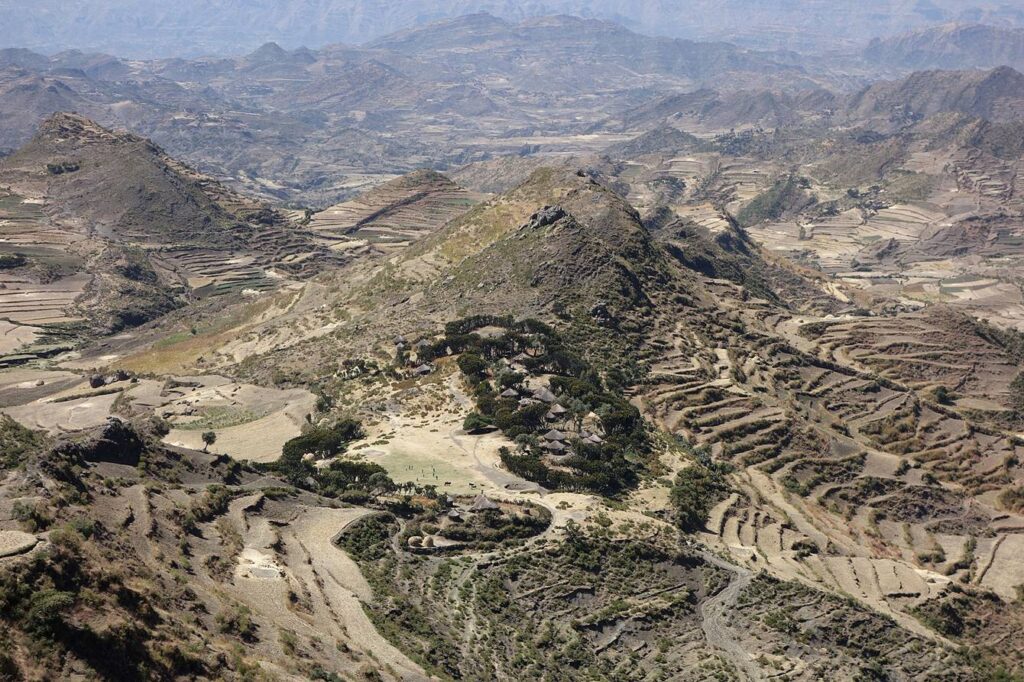
Measures for the conservation of native tree species of the Ethiopian Highlands: Linking genetic conservation to re-establishment of species diverse forests.
The DIABOLO Workshop brought together policy makers, forest managers, data providers and stakeholders to identify options for bridging “gaps” between forest information demand and supply.
New EU Project strives to enhance European Forest Monitoring.
When pupils investigate the biodiversity of the forest not with a microscope but with a microphone and create their own sound mixes, then they are part of the innovative Sparkling Science project "Forest Groove" of the Austrian Research Centre for Forests (BFW). The project creatively combines science, environmental education and music.
The Federal Forest Research Center (BFW) has a new Department for Forest Biodiversity and Nature Conservation starting in 2021, and its head will be the respected scientist Dr. Katharina Lapin as of February 1, 2021.
WeNaTour is a European project funded by the Erasmus+ program aimed at training new professionals for sustainable tourism and exploring emerging markets, while keeping the well-being of local communities and the preservation of the environment at the core of its strategies, towards a more responsible and sustainable future.
Microsoft will no longer support Internet Explorer. Therefore please download a modern browser to view the BFW website.