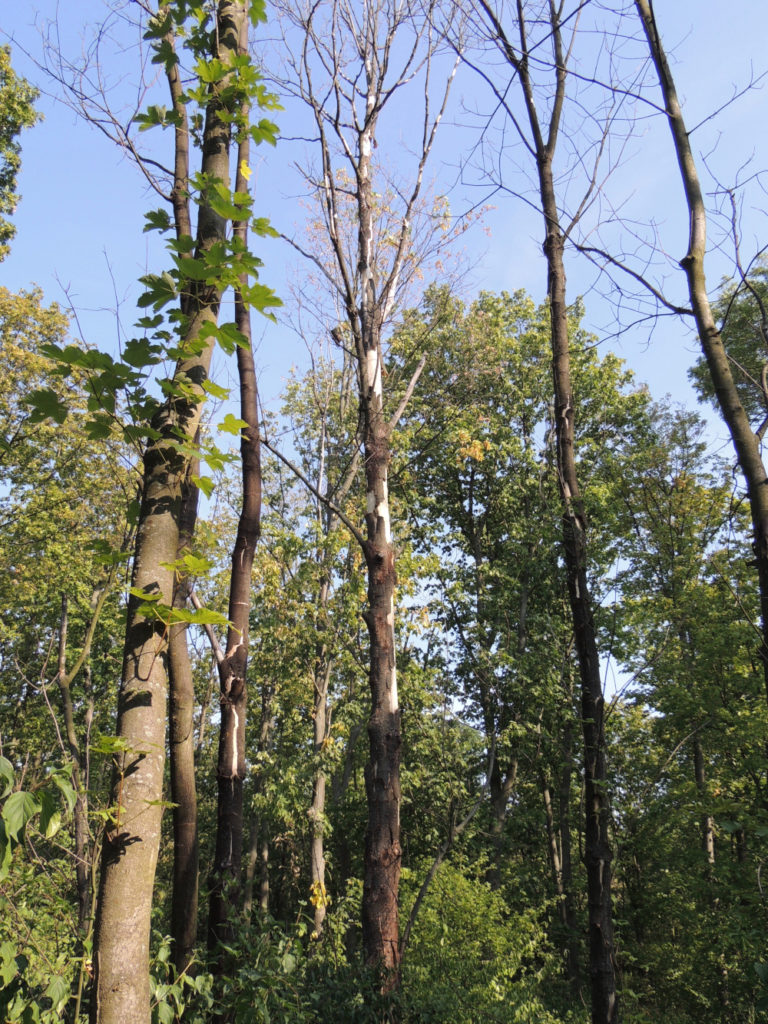
Fir, pine, maple and oak have a high tolerance to heat and drought. Nevertheless, there is currently an increased occurrence of a number of pests and pathogens on these "tree species of the future". In the "CLIFF" project, knowledge about these organisms is to be expanded.
The BML commissioned a consortium with the participation of the Austrian Research Center of Forests (BFW) with the project "FORSITE II - Development of the ecological basis for a dynamic forest typing in Upper Austria, Lower Austria and Burgenland".
In this policy brief we propose measures to maintain the forest carbon sink strength and provide information for the time horizons for achieving the targets
Gene conservation forests are the instrument for in situ gene conservation of forest genetic resources in Austria.
The ConnectForestBiodiversity project makes an important contribution to the conservation and enhancement of habitat connectivity through the establishment and setting aside from management of habitat patches in forests.
Support for Austrian forest owners in promoting biodiversity in their forests.
Ethiopia has embarked on one of the globally most ambitious programs of forest landscape restoration (FLR) with a commitment to restore more than 20 million hectare of degraded forest landscapes within the next 20 years
In-flow data with high precision in real avalanche scenarios are the product of the cooperative project of BFW Institute for Natural Hazards Innsbruck, TU Berlin and University of Innsbruck. This approach is now being applied for the first time to snow avalanches. The destructive potential of gravitational mass flows, such as snow avalanches, has a […]
In order to counteract the rapid climate change in the Austro-Hungarian border region in practice, as part of the INTERREG project REIN-Forest , regional guidelines for forest reproductive material (FRM) transfer is going to be developed. Reforestation of six demonstration sites is planned with local and with adapted to the future climate FRM of two native tree species, European beech and sessile oak.
Dr. Georg Frank, head of the Natural Forest Reserves unit at the Austrian Research Centre for Forests (BFW) for many years, will retire at the end of January 2025.
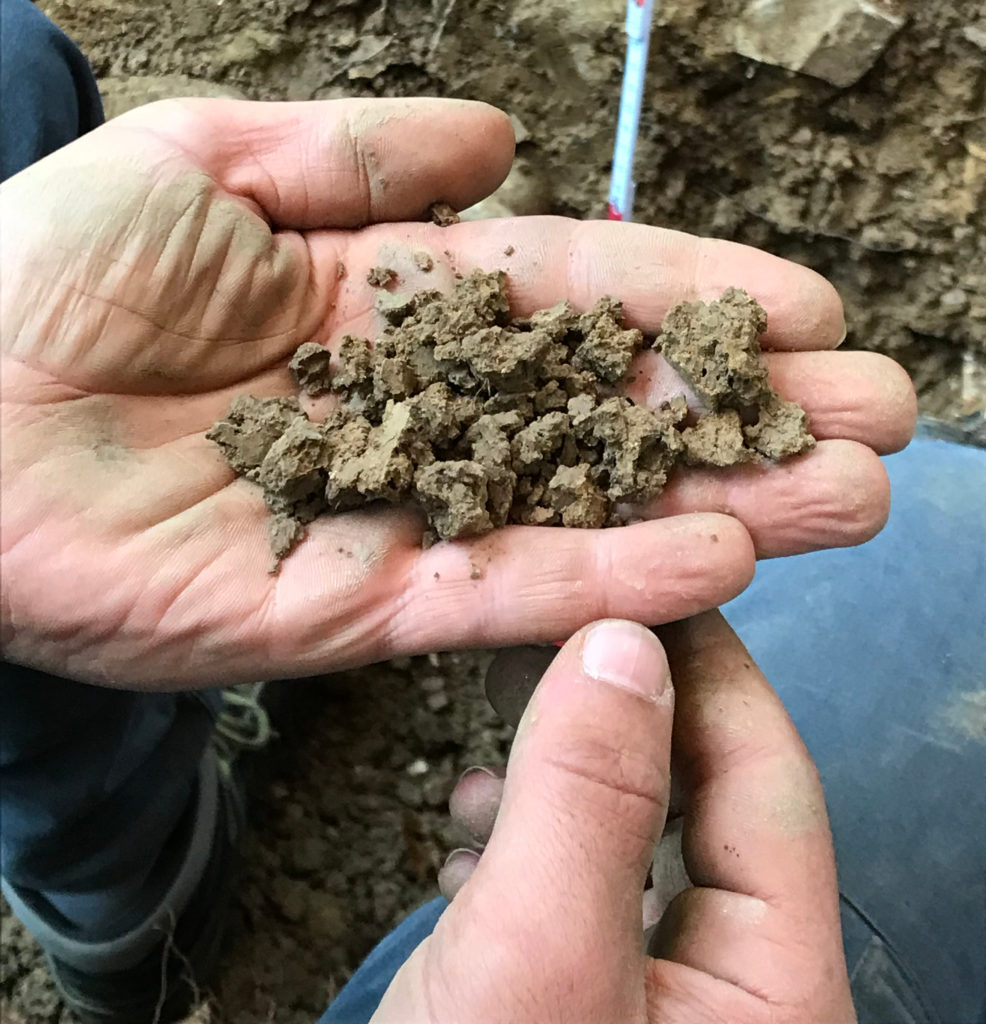
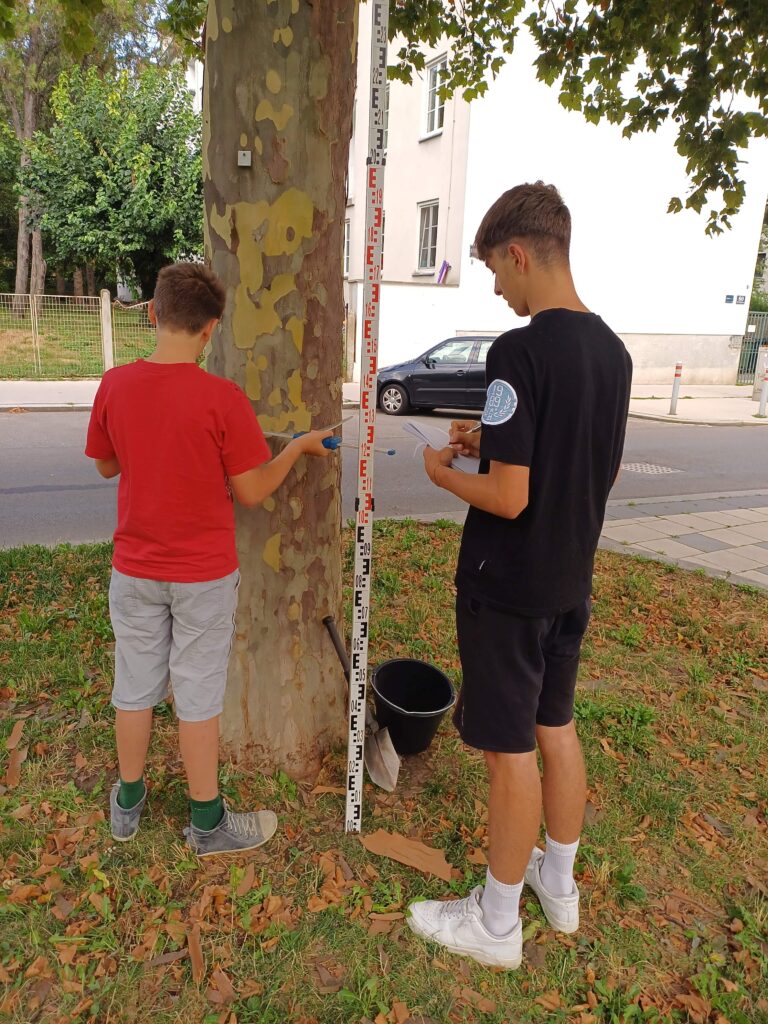
The ‘City - Tree - Soil’ project is investigating how the urban environment affects the soil and tree growth.
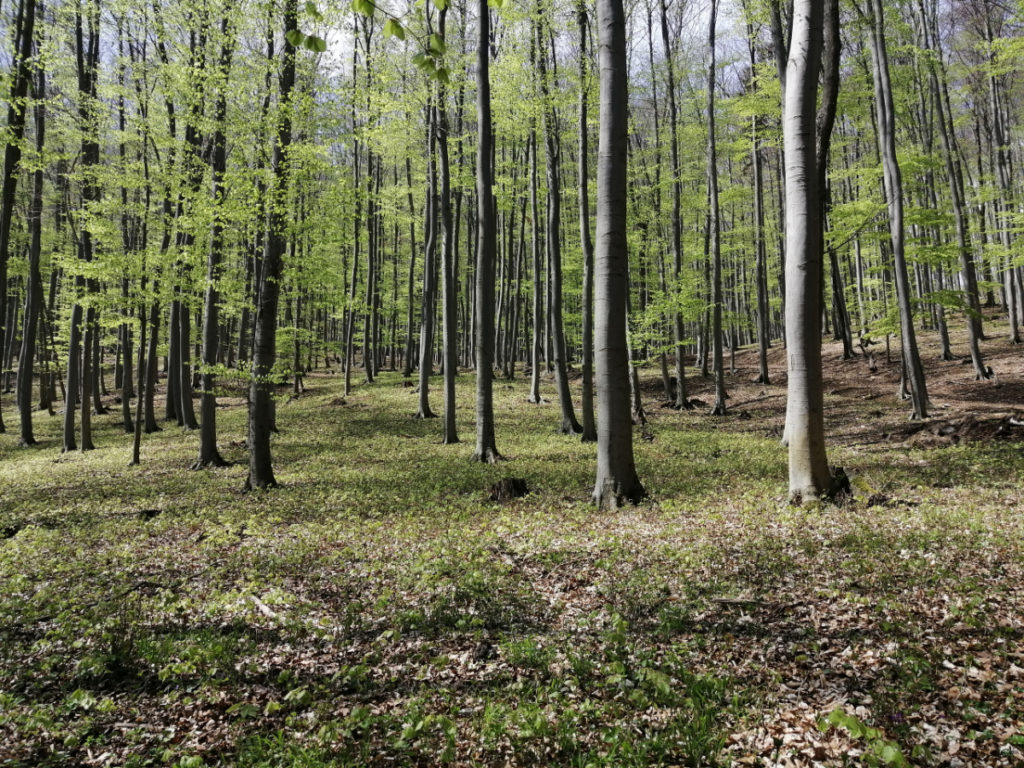
Natural forest reserves (NFR) have gained political and social importance due to current challenges related to climate change and the biodiversity crisis. The aim of the NatWALD project is to expand the existing network by setting up 15 new NFRs (approx. 500 ha) with a contract period of 20 years.
The Austrian Research Centre for Forests (BFW) is therefore working together with 11 partners in the new INTERREG project TEACHER-CE to adapt water management to climate change in Central Europe.
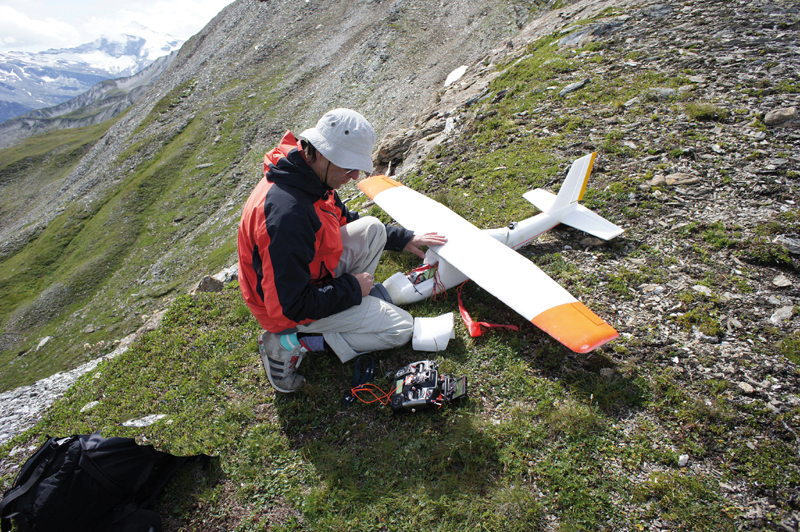
Potentials and limitations of utilizing new technologie to study natural hazard protection areas.
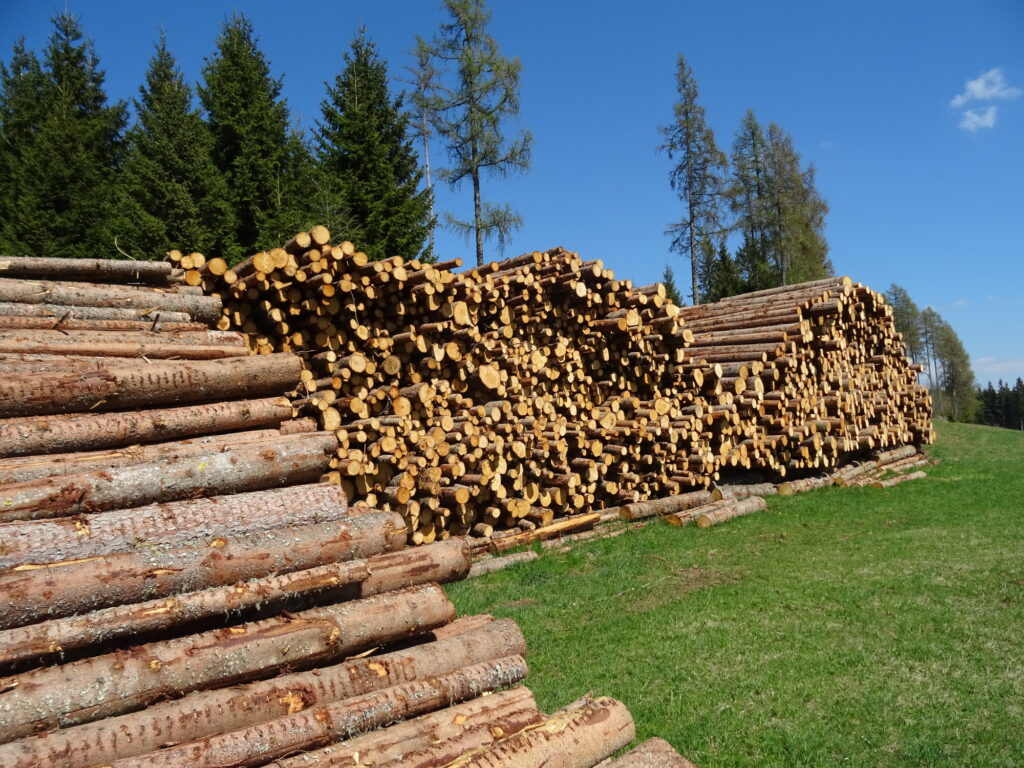
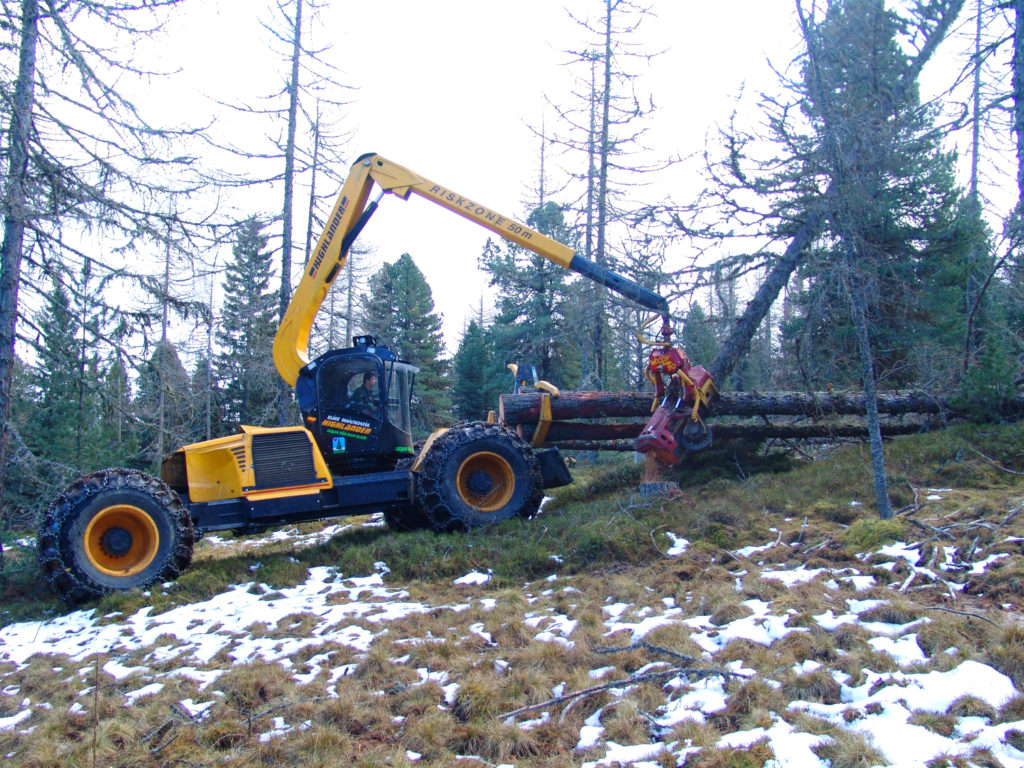
Mechanised forestry makes management much easier, but not every harvesting method is suitable for all sites. The HOBO project makes the various possibilities and their aptitudes visible.
Microsoft will no longer support Internet Explorer. Therefore please download a modern browser to view the BFW website.