Skip to content
CLICK TO ENTER

Projects and research

All articles and contributions to Projects and Research Results of the departments of the Research Centre for Forest can be found here. Using our Search in the menu you can search and filter all articles.

Development of a concept for the provision of forest reproductive material in Ethiopia - Juniperus procera

Ethiopia has embarked on one of the globally most ambitious programs of forest landscape restoration (FLR) with a commitment to restore more than 20 million hectare of degraded forest landscapes within the next 20 years

Unit for Ecological Genetics

AvaRange | Understanding the Flow Mobility of Avalanches - Cooperation for Researching Avalanches

In-flow data with high precision in real avalanche scenarios are the product of the cooperative project of BFW Institute for Natural Hazards Innsbruck, TU Berlin and University of Innsbruck. This approach is now being applied for the first time to snow avalanches. The destructive potential of gravitational mass flows, such as snow avalanches, has a […]

Unit for Snow & Avalanches

Biodiversity conservation of the native forests in the Austro-Hungarian border region - Interreg Project REIN

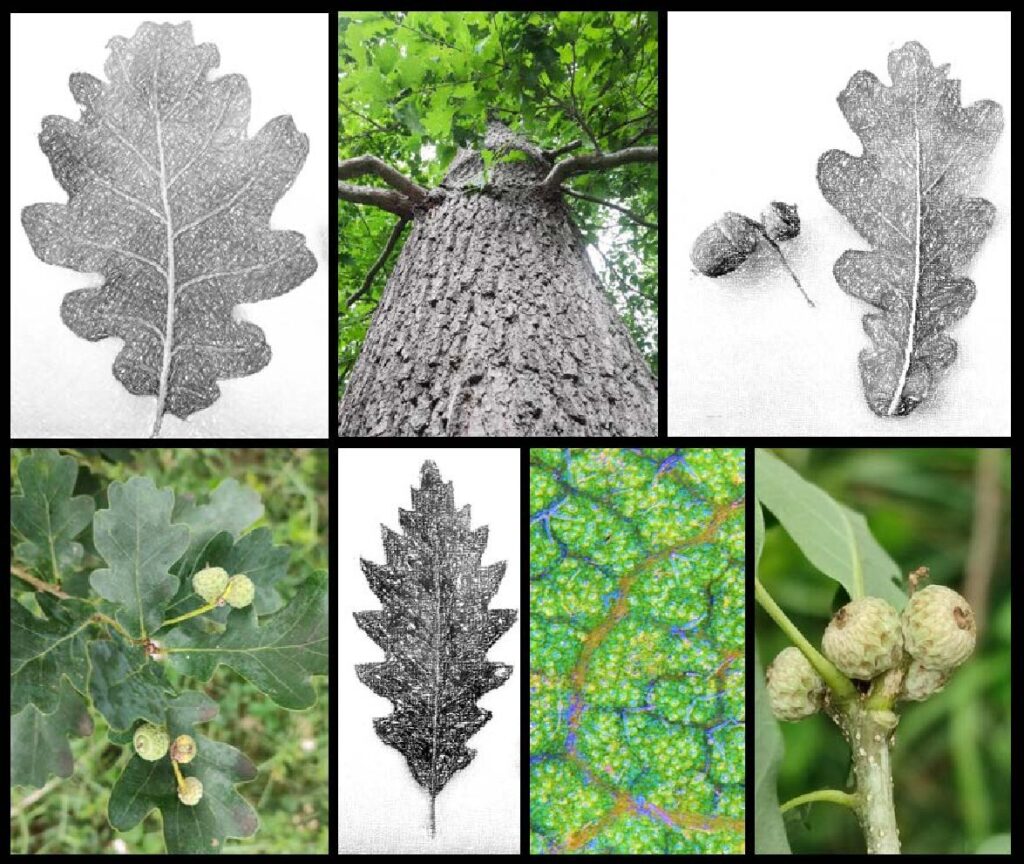
In order to counteract the rapid climate change in the Austro-Hungarian border region in practice, as part of the INTERREG project REIN-Forest , regional guidelines for forest reproductive material (FRM) transfer is going to be developed. Reforestation of six demonstration sites is planned with local and with adapted to the future climate FRM of two native tree species, European beech and sessile oak.

Unit for Provenance Research & Breeding
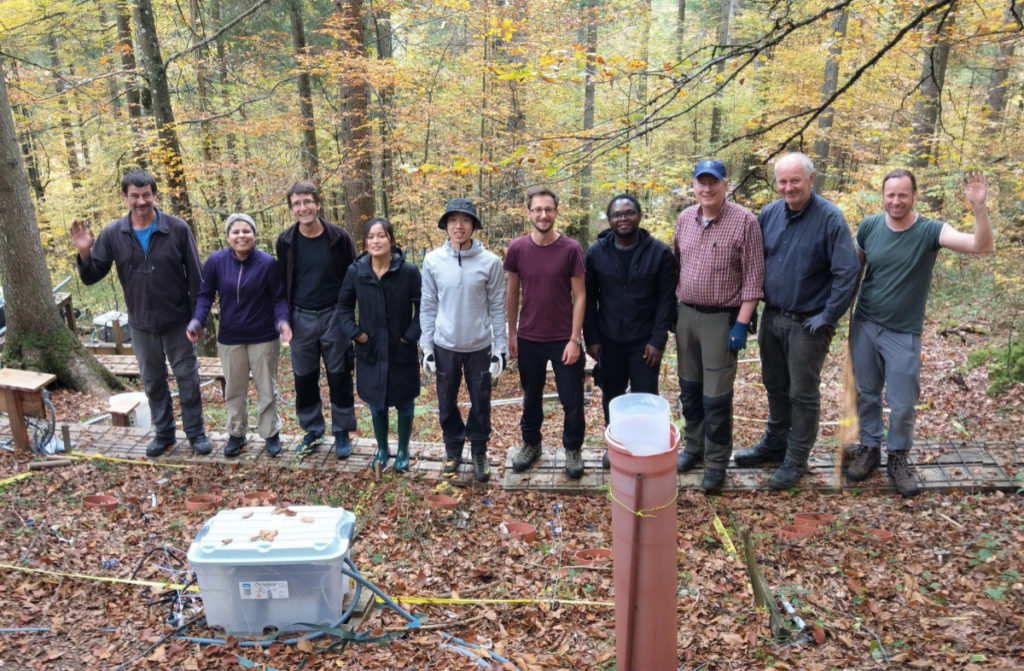
Forschungsteam, bestehend aus 10 Personen, stehen im Wald

Soil Warming Experiment Achenkirch - Long term experiment

The project investigates how global warming affects forest soil processes. A special focus lies on soil carbon. Forest soil store huge amounts of organic carbon which could be released into the atmosphere. Decomposer microbes mineralize dead organic matter such as leave and root litter and thereby release important nutrients for plant growth. A share of […]

Unit for Climate Impact Research Coordination
thumbnail

PARAmount: Interpretation of an Expert Survey by BFW - Questionnaire

Within the framework of the project PARAmount a Communication and Decision Support Tool (CDT) was developed, as a contribution to the highly emotional discussion about natural hazard management. Basic information was collected by means of an online survey in which respondents were asked to rate the importance of individual parameters for different process types. More […]

Runoff in the mountain region

Code of Practice for the Assessment of Surface Runoff Coefficients - Compendium

The first BFW “Code of Practice for the Assessment of Surface Runoff Coefficients for Alpine Soil/Vegetation Complexes in Torrential Rain” has been published in 2004 (in German language). The Interreg-South East Europe-Project CC-WaterS offered the opportunity to integrate some new findings in experimental runoff research and to release a report in English language in 2011. […]

Unit for Torrent Processes & Hydrology
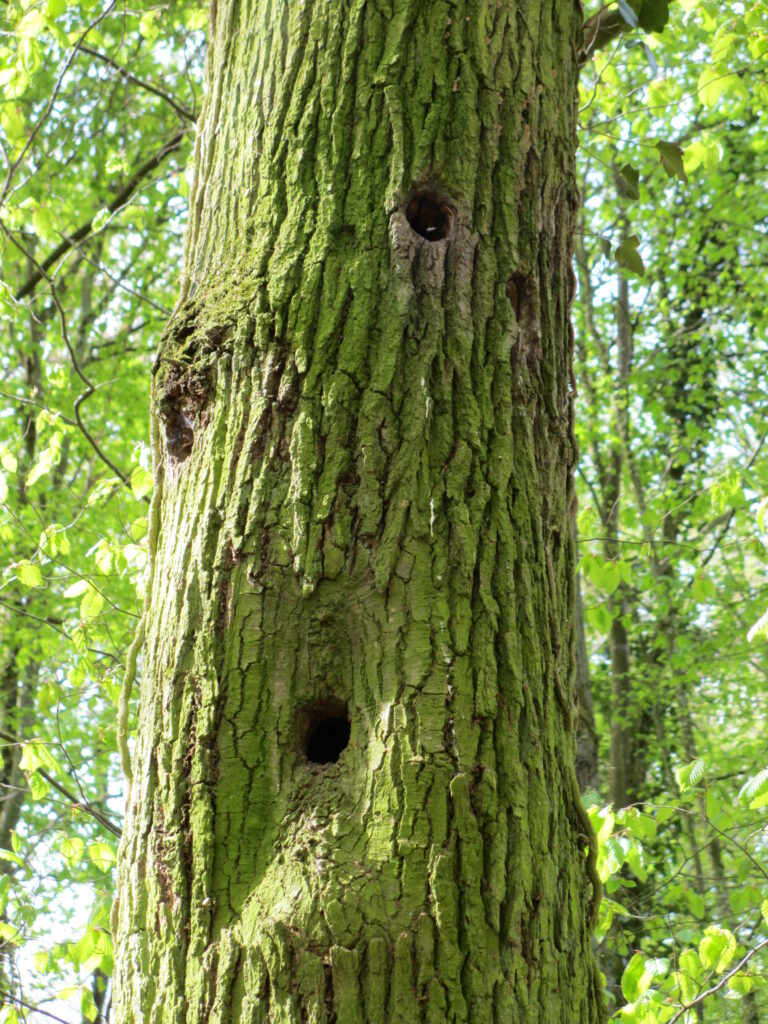
Baumstamm mit Höhlen

The European network Integrate - Network

As early as the COST Action E27 on the harmonization of protected forest areas (2002-2006), it became clear that protected forest areas in the strict categories account for only around 3% of Europe's forest area. The question therefore remains: what is happening in terms of biodiversity conservation in the remaining 97% of the forest?

Department for Forest Biodiversity & Nature Conservation
Ansicht

Innovation in avalanche protection: umbrella nets for snowpack stabilization - Project

Several installed umbrella nets have shown damage due to overloading. This raises the question of which typical damage patterns occur in the structure and what types and magnitudes of loads cause them. How can such damage be prevented? Additionally, it is essential to determine the required maintenance and repair measures, as well as the expected lifespan of the system.

Unit for Snow & Avalanches

SUSTREE: Science based solutions and decision-support tools for adapting forests to climate change - SusSelect App

Climate change is likely to alter the future growth capacity of European forests in providing vital ecosystem services. Adaptive management aiming at reducing vulnerability and enhancing the resilience of forest ecosystems is a key to preserve the potential of forests.

Department for Forest Growth, Silviculture & Genetics
Test area in the Region Wienerwald

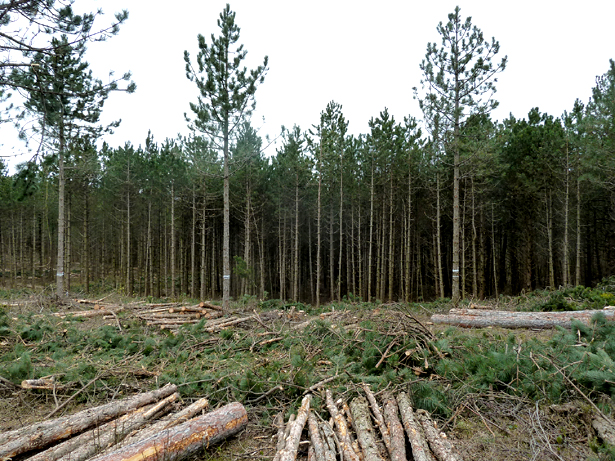
Austrian pine fit for climate change? - New test site

Climate projections forecast a rise of the Earth’s average temperature of 2 to 4 degrees Celsius until the year 2100. The prognosis for Austria is an increase of 3.5 degrees Celsius until 2100 (Österreichischer Sachstandsbericht zum Klimawandel, 2014). This will also lead to new challenges in the forestry sector. Sustainable managed forests and the utilization […]

Unit for Forest Growth
Flowers of Parkia biglobosa Foto: Marco Schmidt, CC BY-SA 3.0

Making Chromosomes Visible - Forest genetics

Parkia biglobosa (African locust bean) or Néré is a versatile tree species in Africa. Among other things, it has been and is the subject of a series of genetic examinations and provenance trials with the aim of selecting more drought-resistant forms. Despite all types of interest in this tree species, we have only poor knowledge […]

Unit for Provenance Research & Breeding
Spruce in small container

Forest Genetics: Preserving the Spruce Tree - Climate change

The research initiative “Green Heritage” was launched to improve the production base and stand security for the spruce tree in Austria permanently. For this purpose, the genetic background is investigated for certain properties, in order to develop markers which, in turn, can be used for genetically supported breeding strategies. This research project at BFW is […]

Unit for Ecological Genetics