Skip to content
CLICK TO ENTER

Projects and research

All articles and contributions to Projects and Research Results of the departments of the Research Centre for Forest can be found here. Using our Search in the menu you can search and filter all articles.

Man sieht durch den Sucher einer Kamera Waldarbeiter im Wald

Forestry training goes digital - Project 2ForT

Forestry is very much practice-oriented, so the digital paths in education are not yet very developed. The project 2ForT wants to change this circumstance.

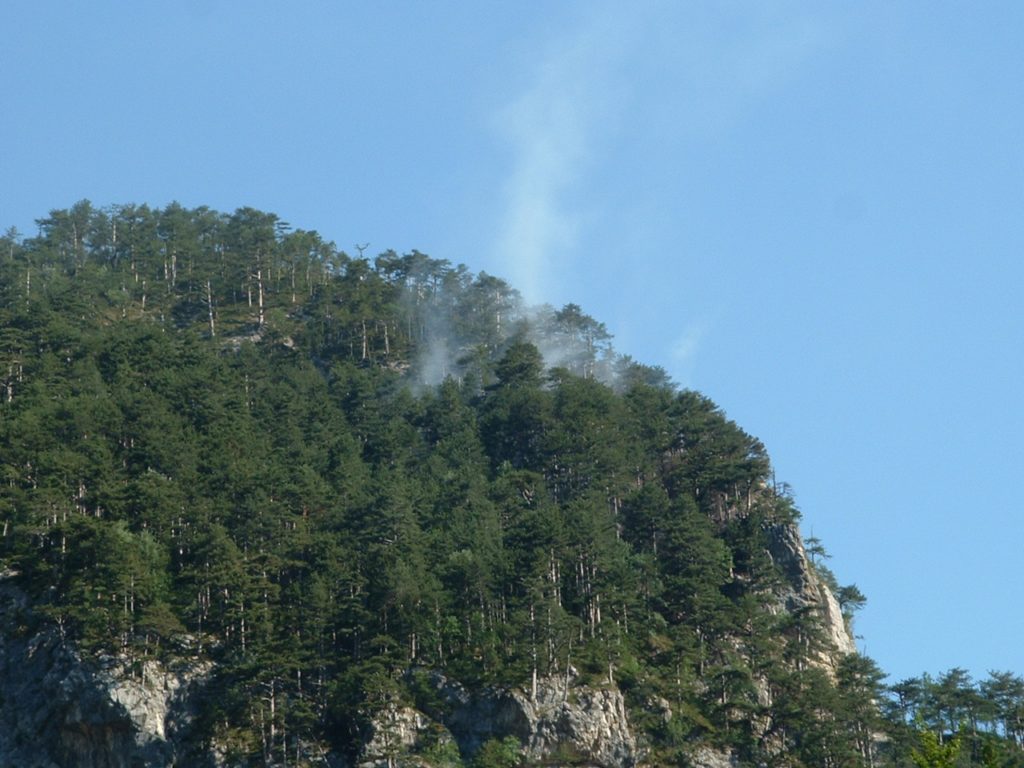
Waldbrand

A red-hot future for Austria’s forests - Project Austria Fire Futures

In the future, the risk of forest fire will be a permanent threat of summer in Austria as well. How we can better deal with it is being researched in the Austria Fire Futures project.

Unit for Remote Sensing
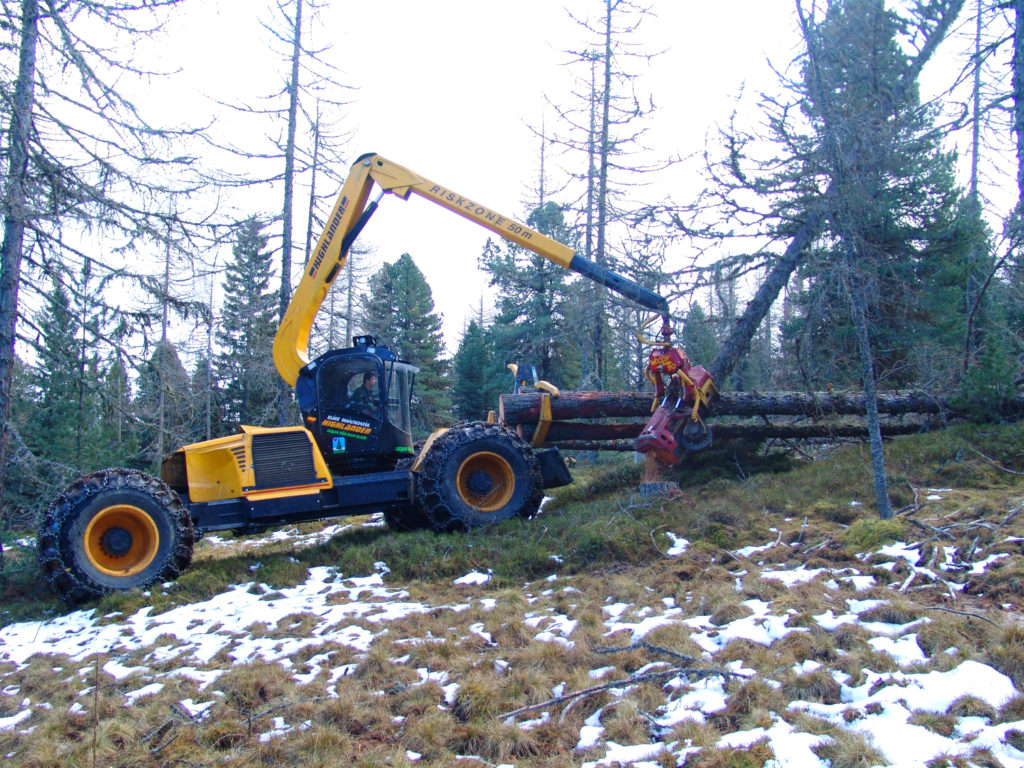
Harvester im Einsatz

Better harvesting with the right technology - Project HOBO

Mechanised forestry makes management much easier, but not every harvesting method is suitable for all sites. The HOBO project makes the various possibilities and their aptitudes visible.

Unit for Soil Ecology
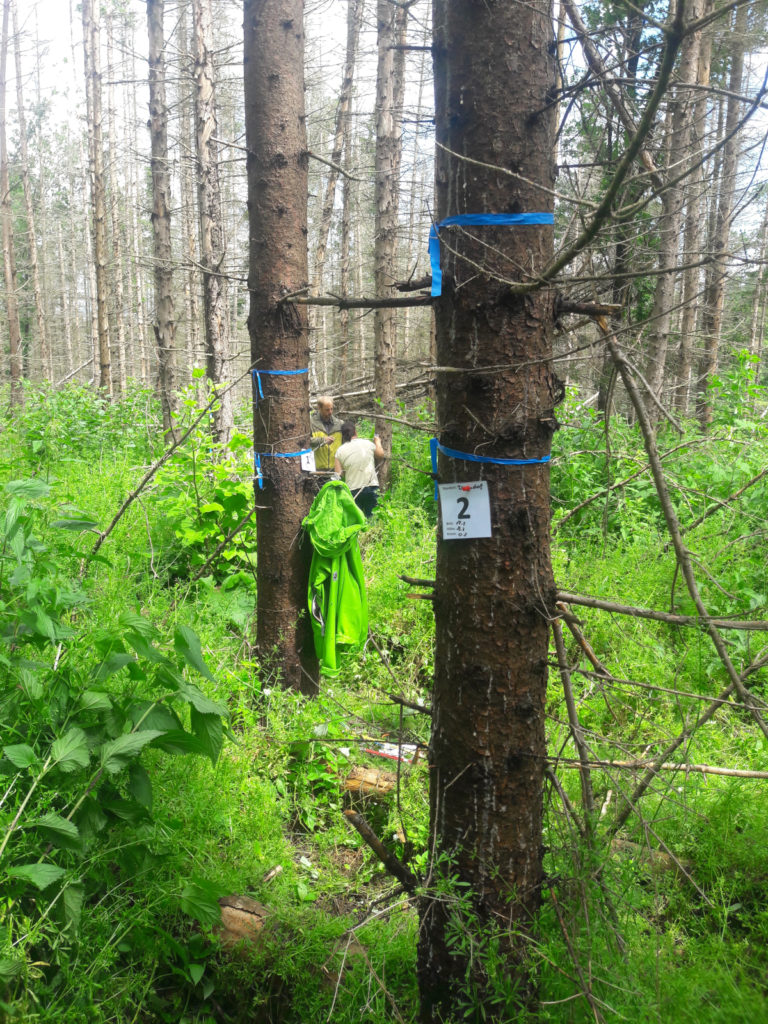
Bäume werden

Bark-BeAT aims to simplify risk assessment of spruce sites - Project Bark-BeAT

Global warming does not make silvicultural decisions any easier, and the catastrophes of recent years have increased the uncertainties. The Bark-BeAT project aims to help.

Unit for Soil Ecology
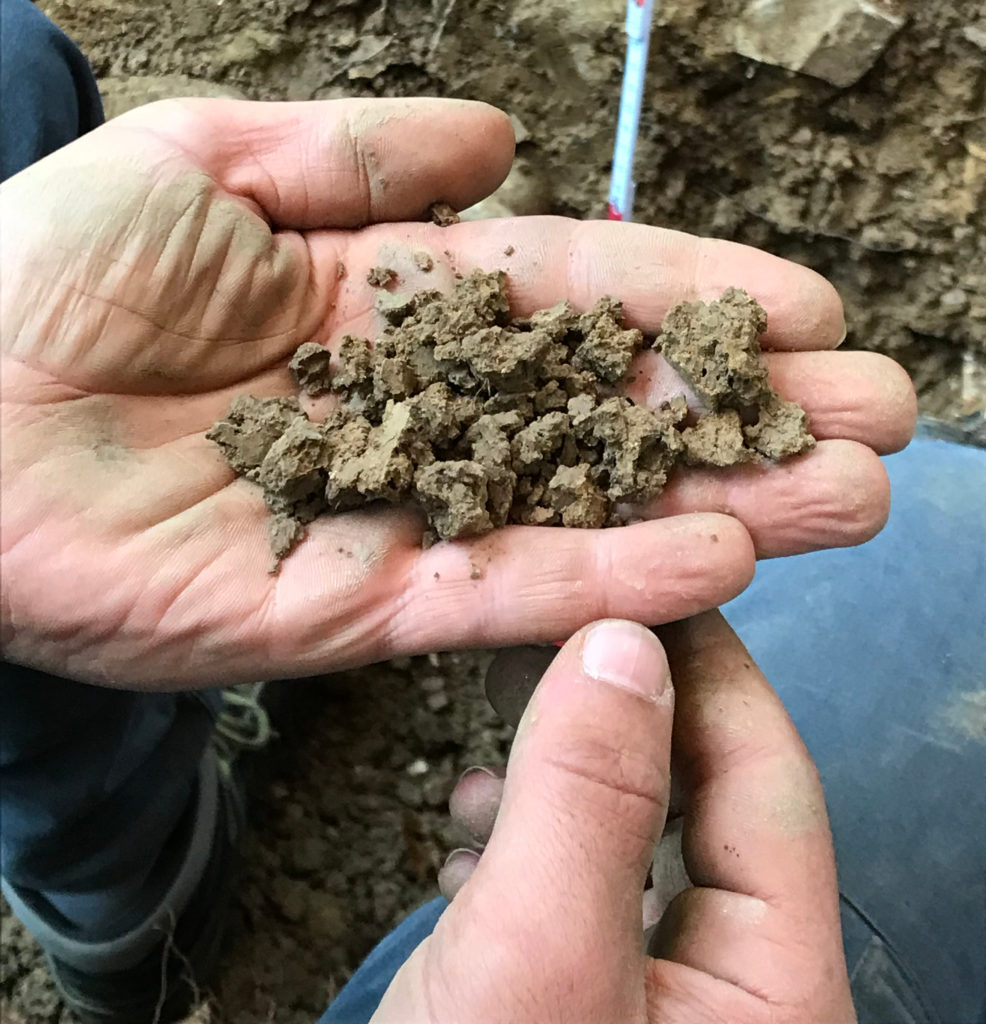
offene Hand, wo Erde drauf liegt

Forest typing started in Upper Austria, Lower Austria and Burgenland - Project ForSite II

The BML commissioned a consortium with the participation of the Austrian Research Center of Forests (BFW) with the project "FORSITE II - Development of the ecological basis for a dynamic forest typing in Upper Austria, Lower Austria and Burgenland".

Unit for Site & Vegetation

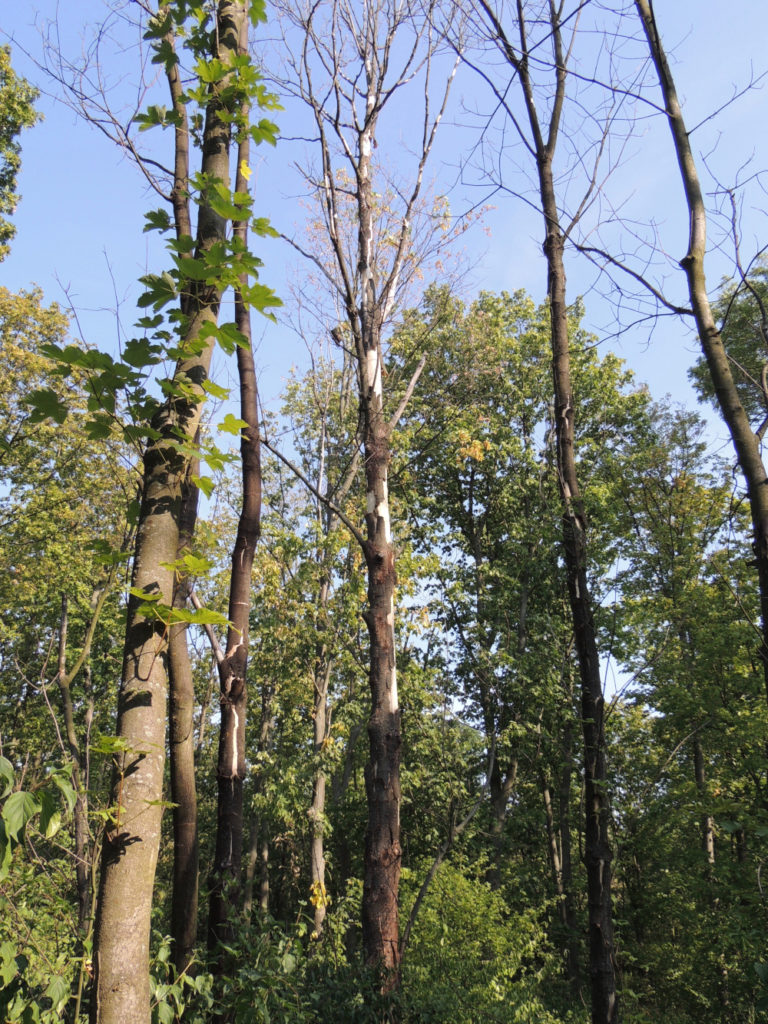
Diseases and pests of tree species intended for resilient forests of the future - Project CLIFF

Fir, pine, maple and oak have a high tolerance to heat and drought. Nevertheless, there is currently an increased occurrence of a number of pests and pathogens on these "tree species of the future". In the "CLIFF" project, knowledge about these organisms is to be expanded.

Unit for Forest Damage Diagnostics & Research
Lila Akeleie von oben fotografiert

WaldBIOLOG – Biodiversity in Austrian Forests under Climate Change - Project

Within the project WaldBIOLOG the status, as well as the identification of trends of the Austrian forest biodiversity in climate change will be assessed. This will be done by recalculating the forest biodiversity index.

Department for Forest Biodiversity & Nature Conservation

Stepping stone biotopes for the promotion of biodiversity in the forest - Waldfonds project ConnectPLUS

The ConnectPLUS project funded by Waldfonds serves to preserve, improve, and restore stepping stone biotope areas that are valuable for nature conservation. These serve as reproduction or retreat sites for species to be protected.

Department for Forest Biodiversity & Nature Conservation

Online course on non-native trees - Education

The team of the ALPTREES project, which is co-financed by the European Union via the Interreg Alpine Space Programme, produced a free online course to give everyone the opportunity to deepen his or her knowledge about the sustainable use and management of non-native trees in the Alpine Space.

Unit for Forest Biodiversity
Feuersalamander im Wald

Salamander – Systematically assessing, communicating and promoting the biodiversity of Austrian forests - Project

The Salamander project serves to conserve and protect threatened species in forest ecosystems by strengthening knowledge transfer and implementing biodiversity conservation measures in sustainable forest management.

Department for Forest Biodiversity & Nature Conservation

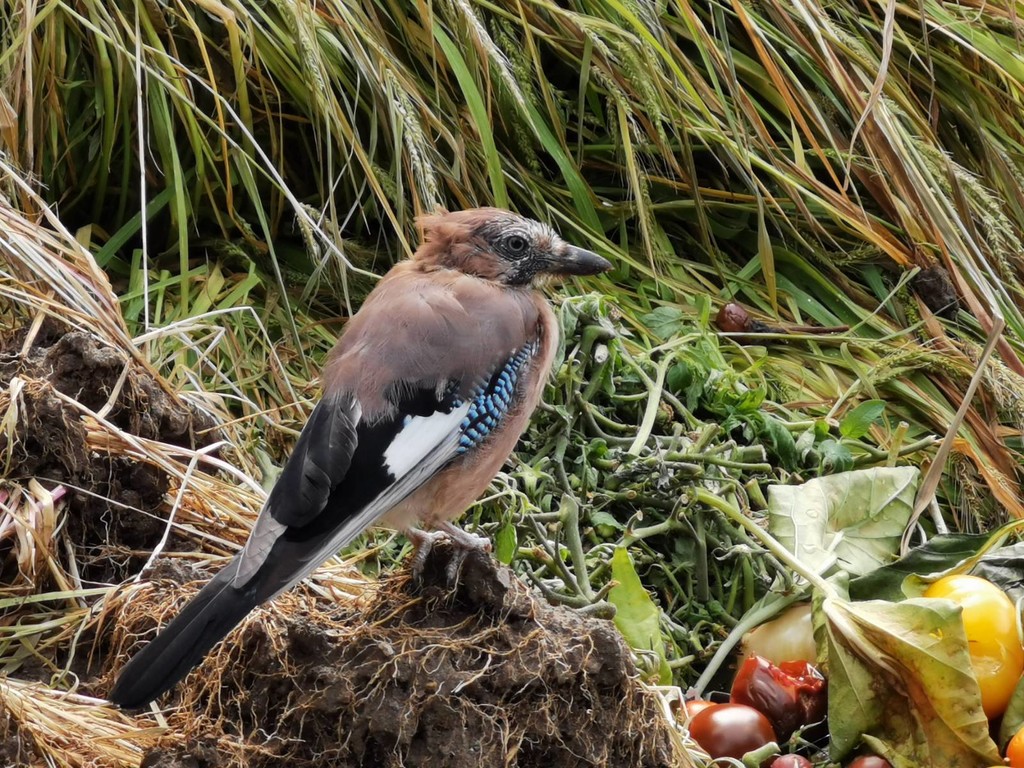
Woodland Bird Index for Austria - Project WBI

The main task are indicator update, review of representiveness and knowledge transfer.

Department for Forest Biodiversity & Nature Conservation
Cover of the book

Yes, we change! - Interreg project

Within the framework of the Interreg Alpine Space Project MANFRED over 20 institutions have addressed the issue of how mountain forests can be adapted to the risks of climate change.

Unit for Climate Impact Research Coordination