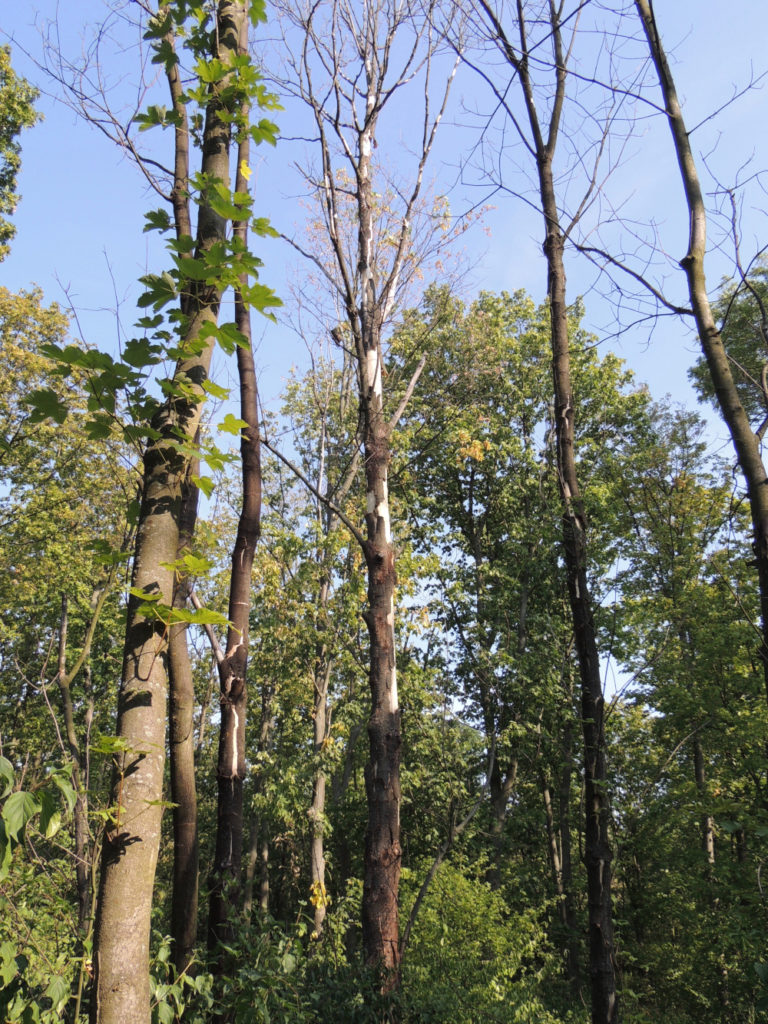
Fir, pine, maple and oak have a high tolerance to heat and drought. Nevertheless, there is currently an increased occurrence of a number of pests and pathogens on these "tree species of the future". In the "CLIFF" project, knowledge about these organisms is to be expanded.
The BML commissioned a consortium with the participation of the Austrian Research Center of Forests (BFW) with the project "FORSITE II - Development of the ecological basis for a dynamic forest typing in Upper Austria, Lower Austria and Burgenland".
In this policy brief we propose measures to maintain the forest carbon sink strength and provide information for the time horizons for achieving the targets
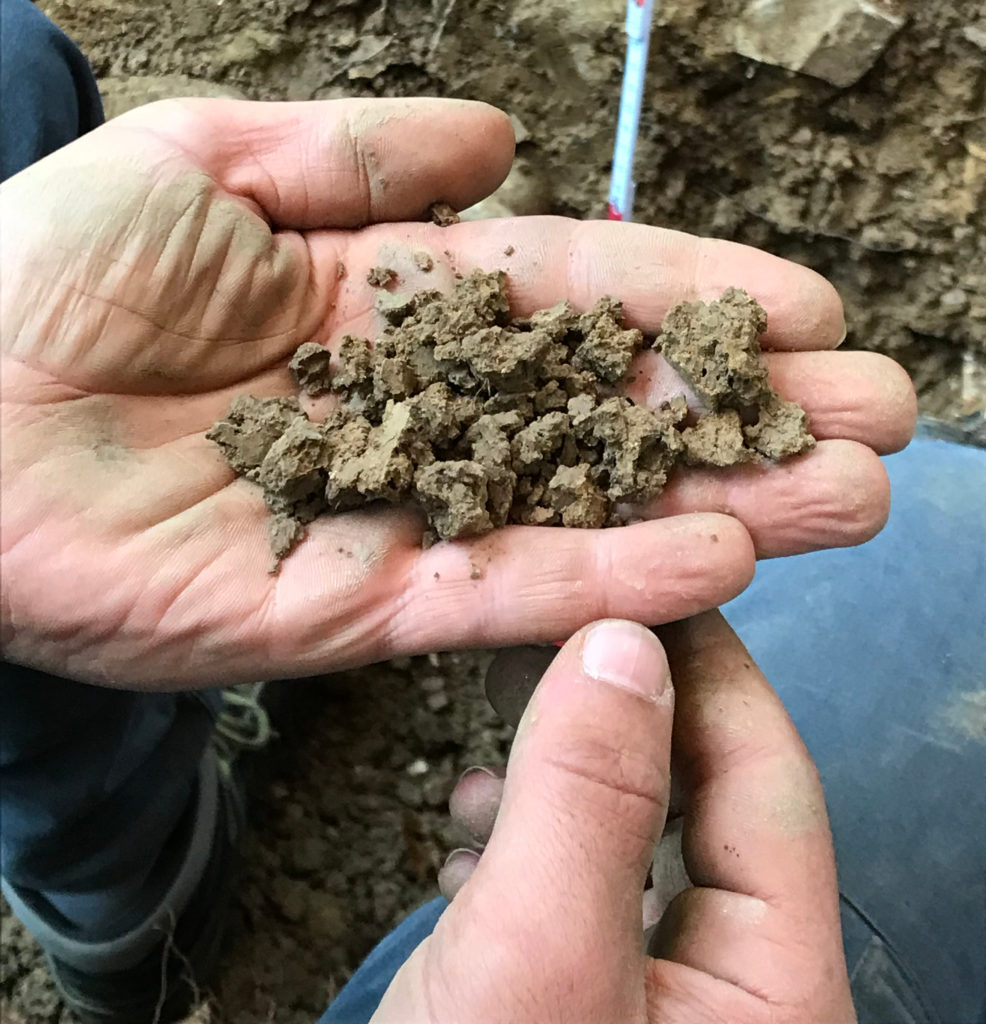
The project investigates how global warming affects forest soil processes. A special focus lies on soil carbon. Forest soil store huge amounts of organic carbon which could be released into the atmosphere. Decomposer microbes mineralize dead organic matter such as leave and root litter and thereby release important nutrients for plant growth. A share of […]
The Federal Forest Research Center (BFW) has a new Department for Forest Biodiversity and Nature Conservation starting in 2021, and its head will be the respected scientist Dr. Katharina Lapin as of February 1, 2021.
Within the framework of the project PARAmount a Communication and Decision Support Tool (CDT) was developed, as a contribution to the highly emotional discussion about natural hazard management. Basic information was collected by means of an online survey in which respondents were asked to rate the importance of individual parameters for different process types. More […]
The first BFW “Code of Practice for the Assessment of Surface Runoff Coefficients for Alpine Soil/Vegetation Complexes in Torrential Rain” has been published in 2004 (in German language). The Interreg-South East Europe-Project CC-WaterS offered the opportunity to integrate some new findings in experimental runoff research and to release a report in English language in 2011. […]
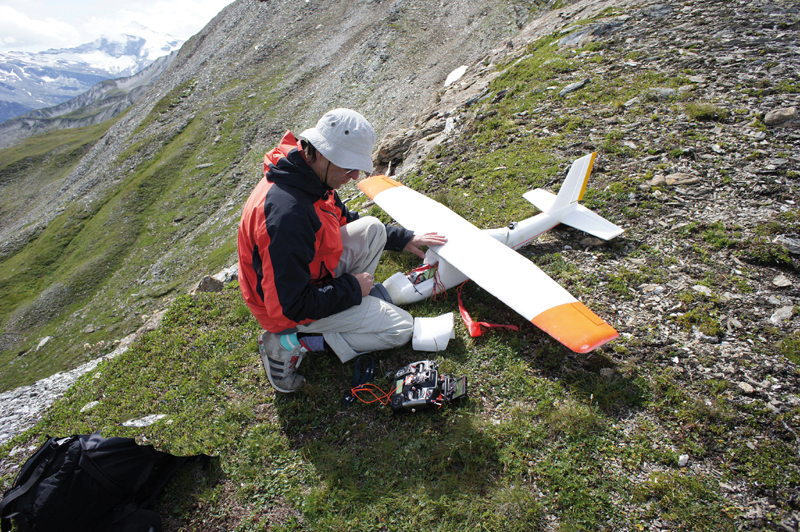
Potentials and limitations of utilizing new technologie to study natural hazard protection areas.
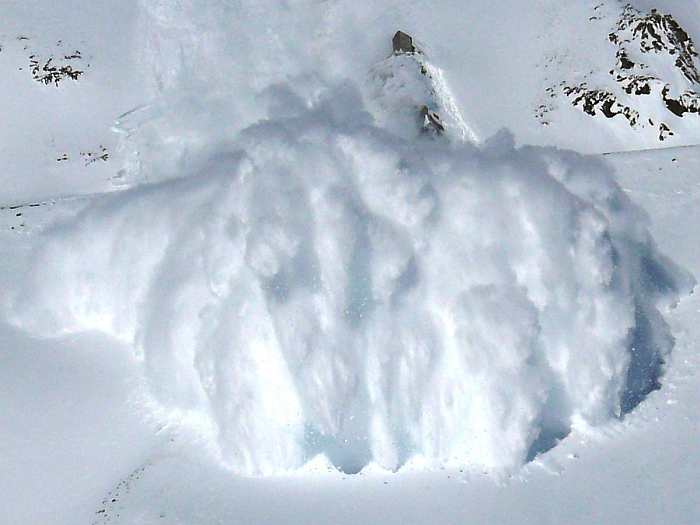
The motivation for this exploratory study came from the observed increasing demand for up-to-date information on snow conditions and avalanches in decision-making processes.
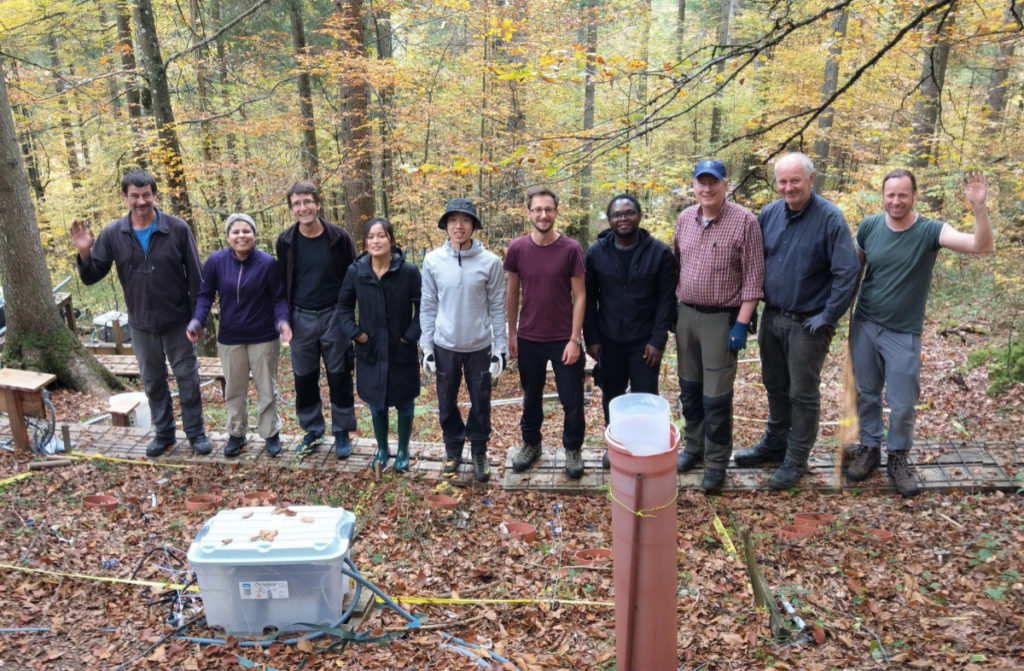
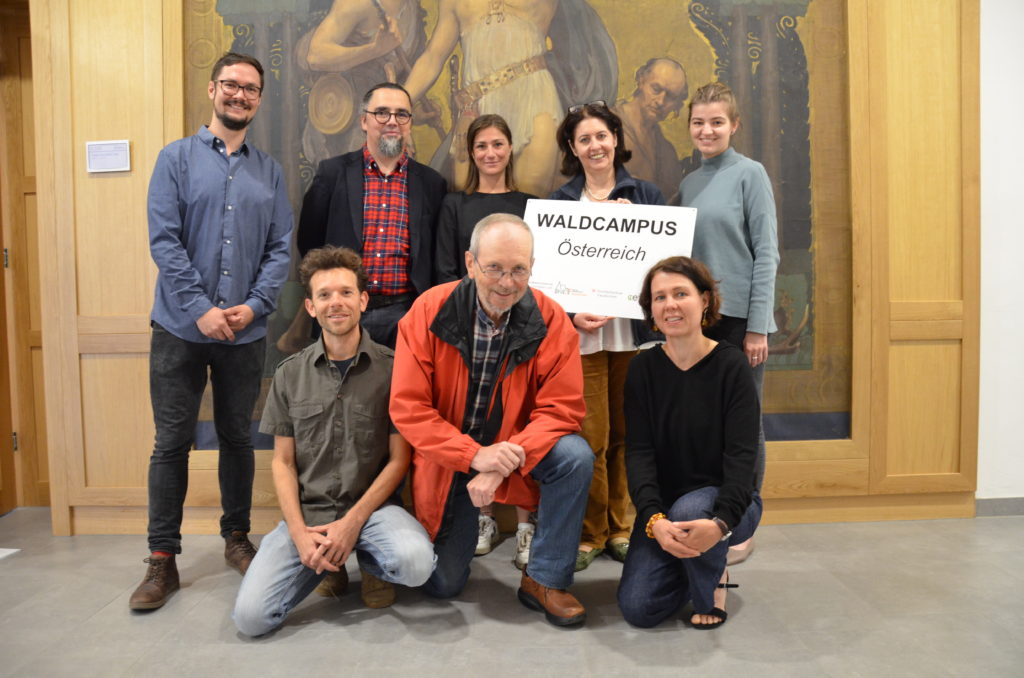
32 participants came together at WALDCAMPUS Austria in Traunkirchen for the Green4C National Launch Event to exchange, network and learn about nature-based solutions in urban and rural areas.
Within the project WaldBIOLOG the status, as well as the identification of trends of the Austrian forest biodiversity in climate change will be assessed. This will be done by recalculating the forest biodiversity index.
The team of the ALPTREES project, which is co-financed by the European Union via the Interreg Alpine Space Programme, produced a free online course to give everyone the opportunity to deepen his or her knowledge about the sustainable use and management of non-native trees in the Alpine Space.
The main task are indicator update, review of representiveness and knowledge transfer.
A new study published today in the journal Nature Climate Change reveals that simply planting more trees in Europe won't be enough to effectively combat climate change and preserve the continent's terrestrial carbon sink.
An innovative project aims to preserve valuable genetic resources an bring climate-adapted forest seeds and seedlings faster into the forest.
Microsoft will no longer support Internet Explorer. Therefore please download a modern browser to view the BFW website.