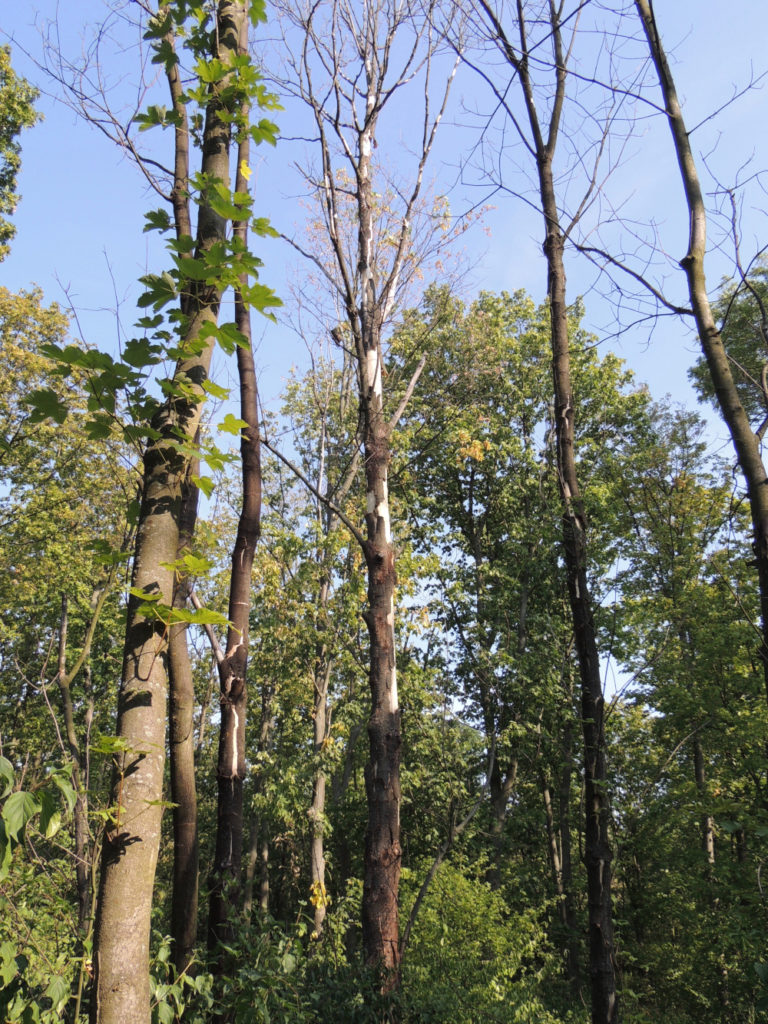
Fir, pine, maple and oak have a high tolerance to heat and drought. Nevertheless, there is currently an increased occurrence of a number of pests and pathogens on these "tree species of the future". In the "CLIFF" project, knowledge about these organisms is to be expanded.
The BML commissioned a consortium with the participation of the Austrian Research Center of Forests (BFW) with the project "FORSITE II - Development of the ecological basis for a dynamic forest typing in Upper Austria, Lower Austria and Burgenland".
In this policy brief we propose measures to maintain the forest carbon sink strength and provide information for the time horizons for achieving the targets
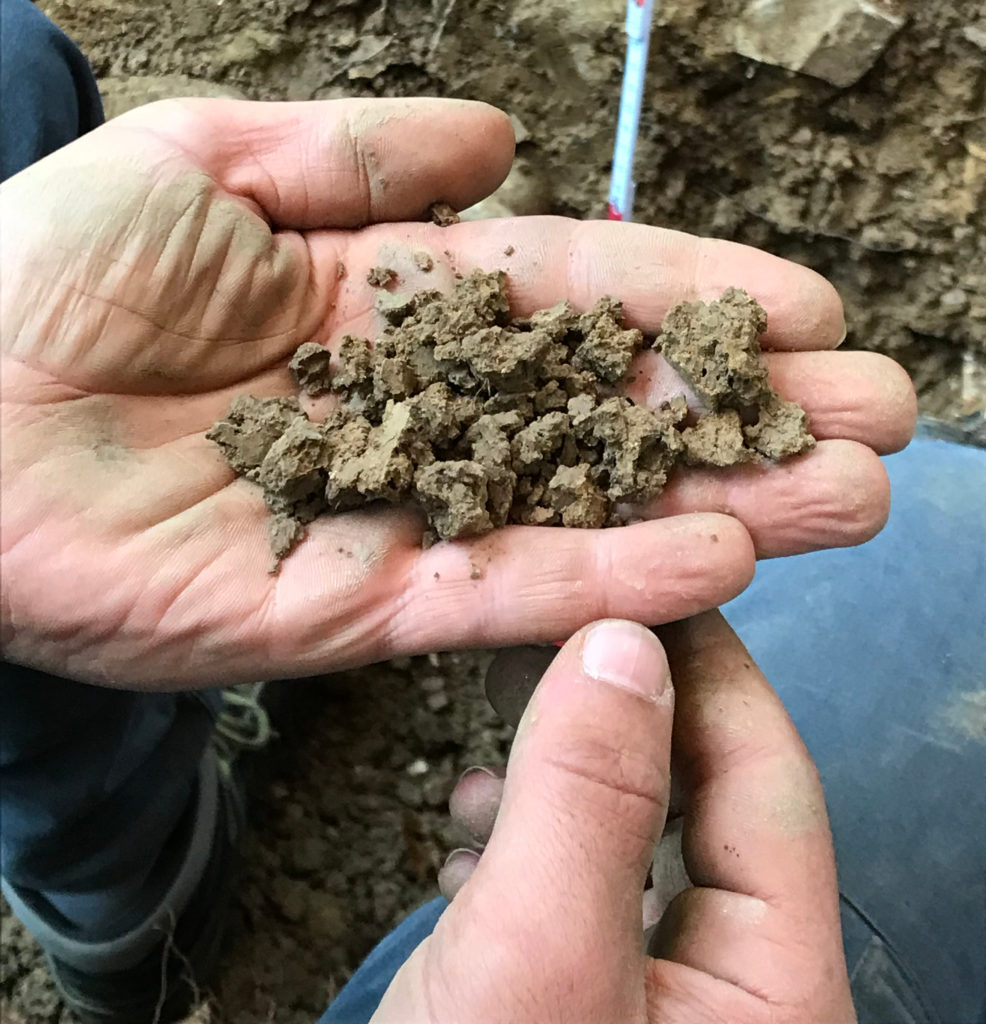
The project investigates how global warming affects forest soil processes. A special focus lies on soil carbon. Forest soil store huge amounts of organic carbon which could be released into the atmosphere. Decomposer microbes mineralize dead organic matter such as leave and root litter and thereby release important nutrients for plant growth. A share of […]
The Federal Forest Research Center (BFW) has a new Department for Forest Biodiversity and Nature Conservation starting in 2021, and its head will be the respected scientist Dr. Katharina Lapin as of February 1, 2021.
Within the framework of the project PARAmount a Communication and Decision Support Tool (CDT) was developed, as a contribution to the highly emotional discussion about natural hazard management. Basic information was collected by means of an online survey in which respondents were asked to rate the importance of individual parameters for different process types. More […]
The first BFW “Code of Practice for the Assessment of Surface Runoff Coefficients for Alpine Soil/Vegetation Complexes in Torrential Rain” has been published in 2004 (in German language). The Interreg-South East Europe-Project CC-WaterS offered the opportunity to integrate some new findings in experimental runoff research and to release a report in English language in 2011. […]
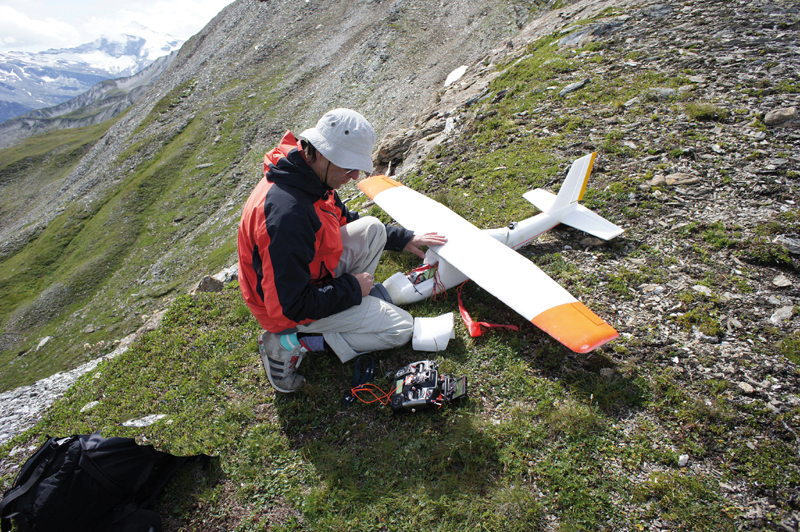
Potentials and limitations of utilizing new technologie to study natural hazard protection areas.
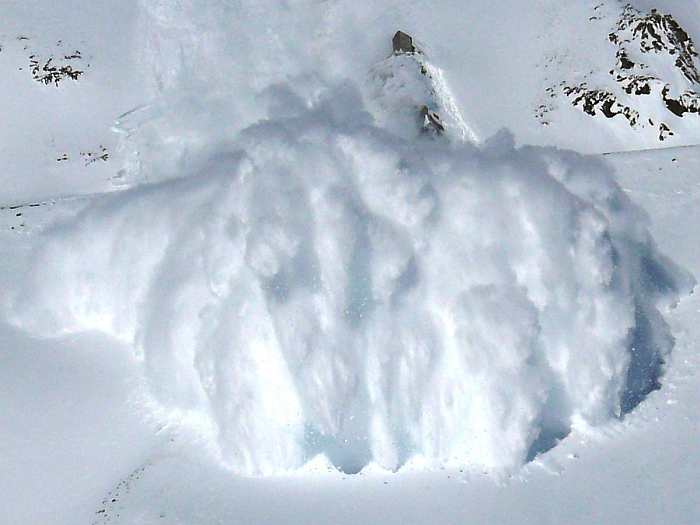
The motivation for this exploratory study came from the observed increasing demand for up-to-date information on snow conditions and avalanches in decision-making processes.
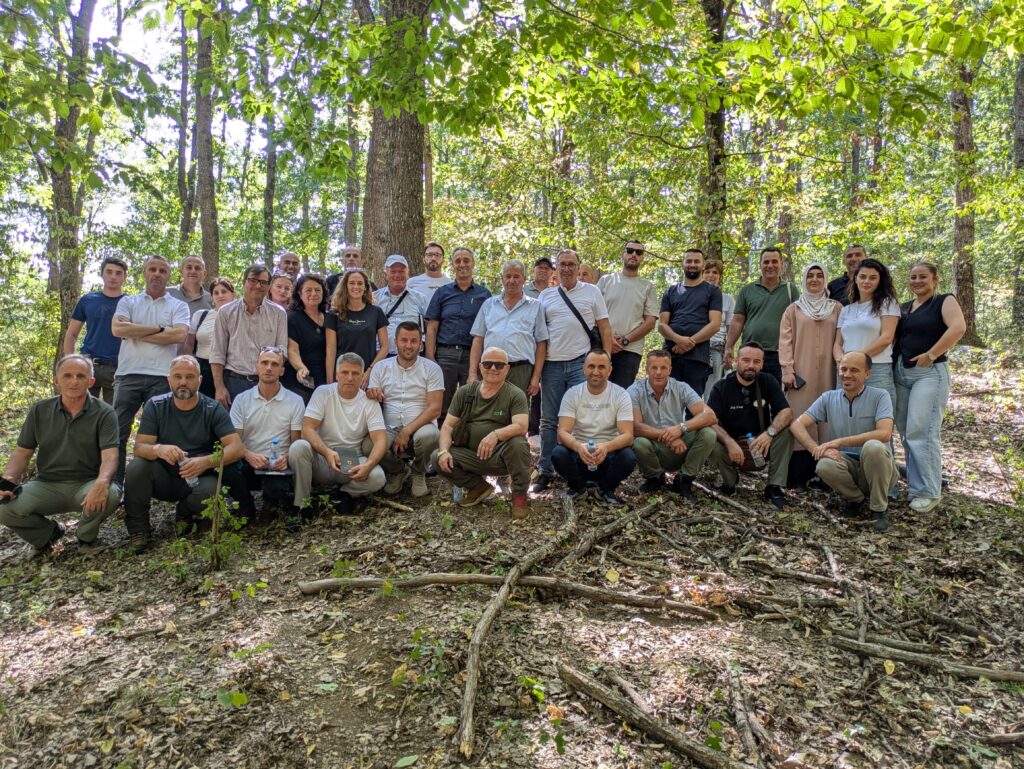
From August 18 to 22, a five-day training course was held in Kosovo for 38 participants from the Kosovo Forest Agency (KFA) and inspectors from the Ministry of Agriculture and Forestry. The aim of the event was to deepen knowledge and experience in the field of sustainable and multifunctional forest management and to promote professional exchange.
In 2013 the Stabilisation and Association Agreement (SAA) between the EU and the Republic of Serbia entered into force. Article 1 Section 2 (d) of the SAA states that the aim of the Association established is "to support the efforts of Serbia to develop its economic and international cooperation, including through the approximation of its legislation to that of the Community".
Austrian Forest Inventory 2018-2023 shows effects of climate change and emphasises the importance of active forest management.
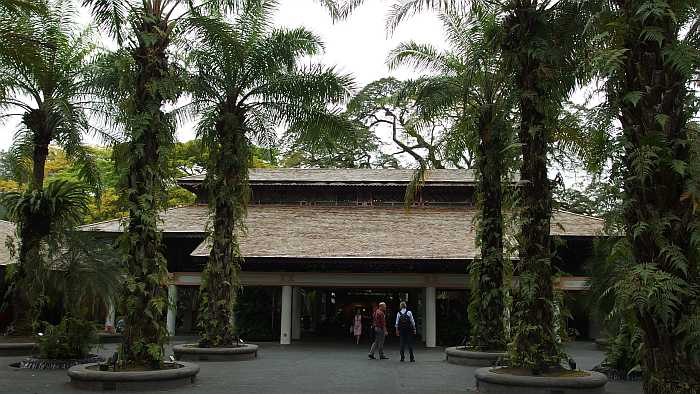
With the SINSOIL project, the first baseline data on soil GHG emissions (CO2, N2O and CH4) from a natural forest land and an urban parkland in Singapur under commonly used management practices (grass vegetation, N fixing plants and compost application) over a 1 year period will be collected. Studies on greenhouse gas (GHG) emissions in […]
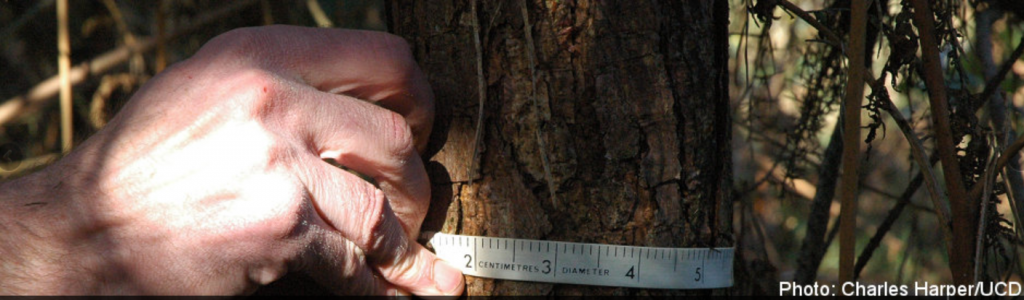
Comprehensive information on forest ecosystems and landscape changes are collected through national forest inventories. More efforts are needed to harmonise the data to make it comparable and easy to access. The project DIABOLO tackles Europe’s social, ecological and economic challenge, by providing such a platform of exchange. The increasing competition for forest resources will necessitate […]
Research cooperation for the realization of sustainable and climate-adapted forest conversion.
Microsoft will no longer support Internet Explorer. Therefore please download a modern browser to view the BFW website.