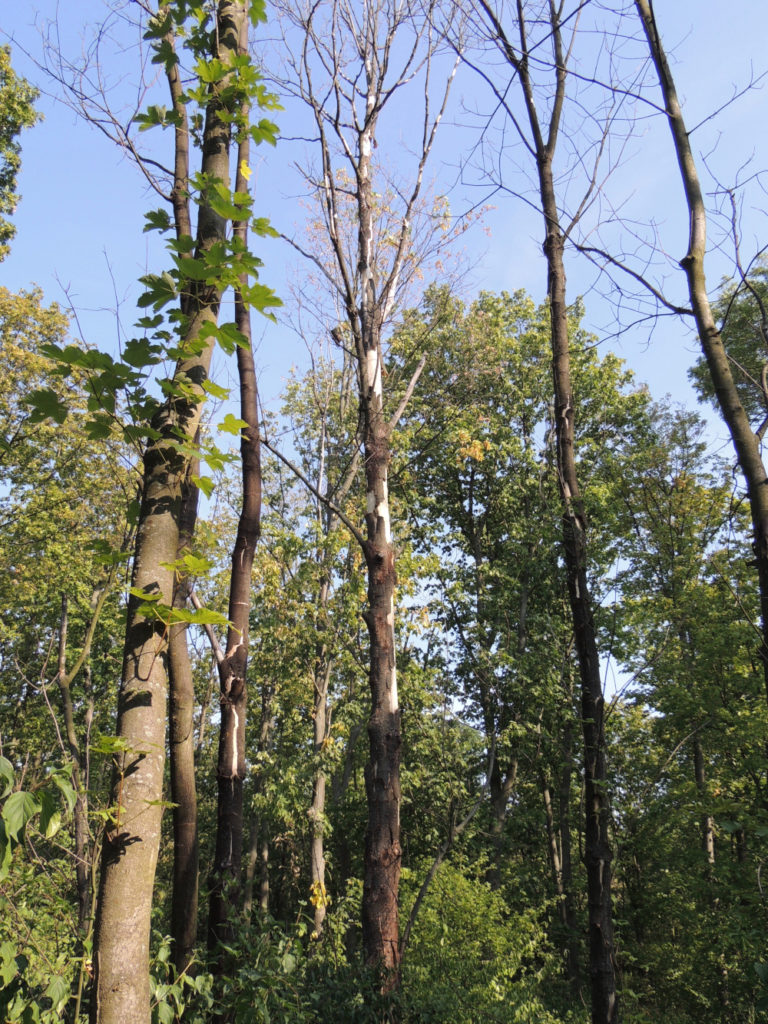
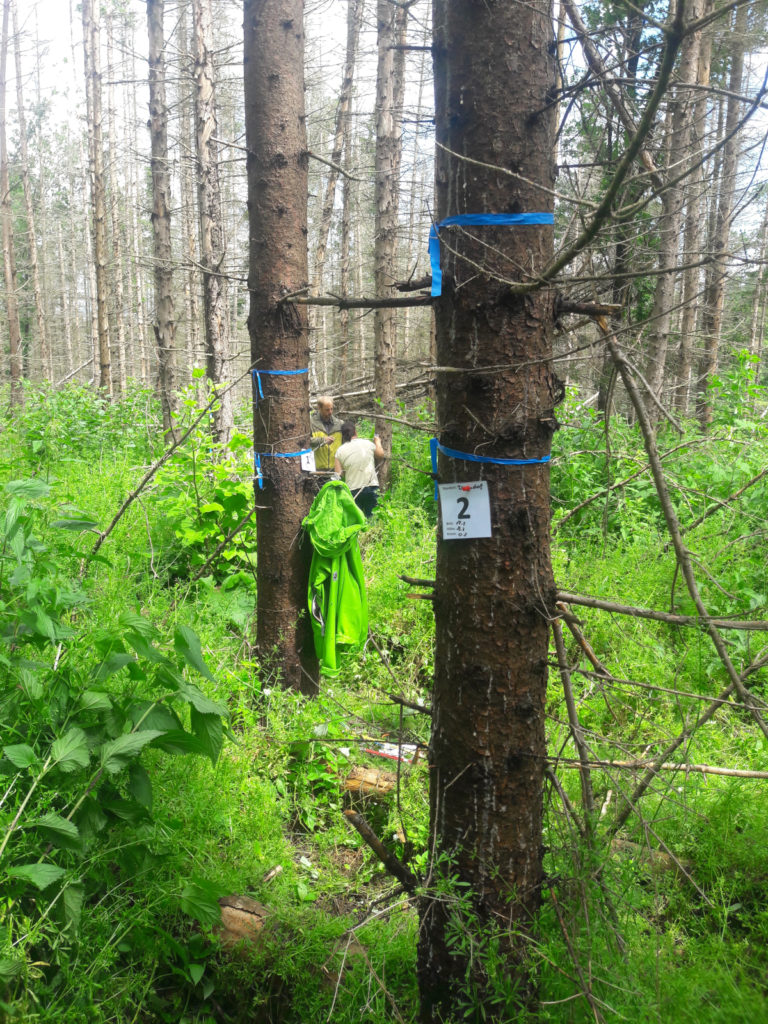
Fir, pine, maple and oak have a high tolerance to heat and drought. Nevertheless, there is currently an increased occurrence of a number of pests and pathogens on these "tree species of the future". In the "CLIFF" project, knowledge about these organisms is to be expanded.
The BML commissioned a consortium with the participation of the Austrian Research Center of Forests (BFW) with the project "FORSITE II - Development of the ecological basis for a dynamic forest typing in Upper Austria, Lower Austria and Burgenland".
In this policy brief we propose measures to maintain the forest carbon sink strength and provide information for the time horizons for achieving the targets
The 5-year project aims to support the protection and sustainable use of forest genetic resources in Europe in the face of environmental and societal challenges.
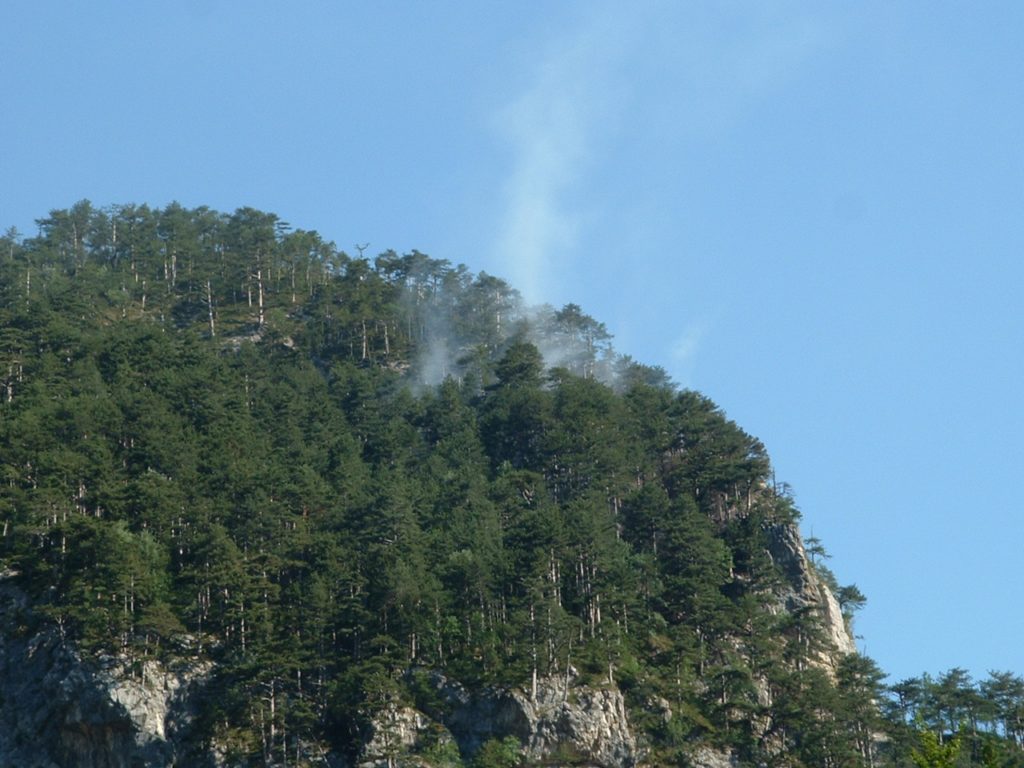
In the future, the risk of forest fire will be a permanent threat of summer in Austria as well. How we can better deal with it is being researched in the Austria Fire Futures project.
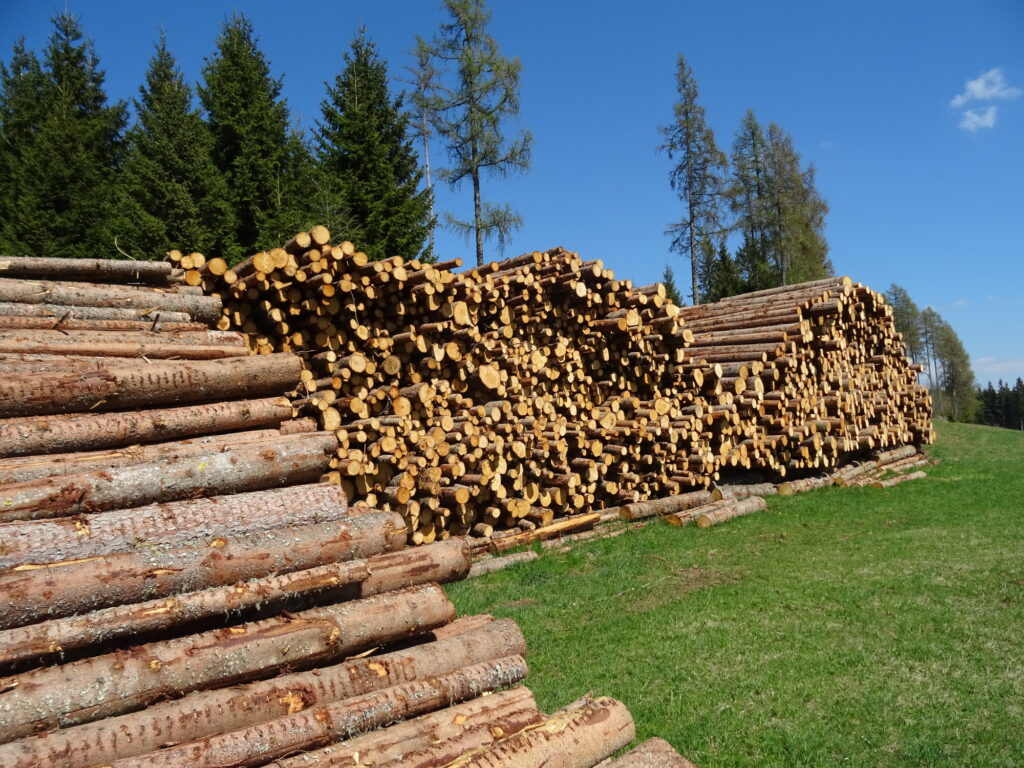
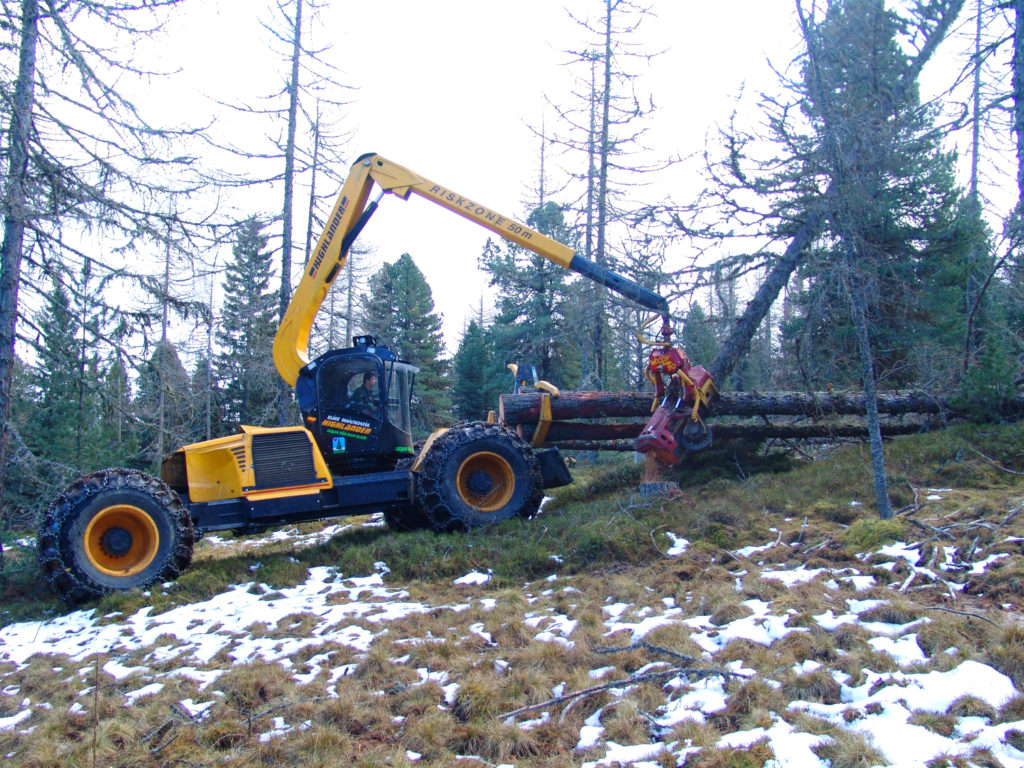
Mechanised forestry makes management much easier, but not every harvesting method is suitable for all sites. The HOBO project makes the various possibilities and their aptitudes visible.
Global warming does not make silvicultural decisions any easier, and the catastrophes of recent years have increased the uncertainties. The Bark-BeAT project aims to help.
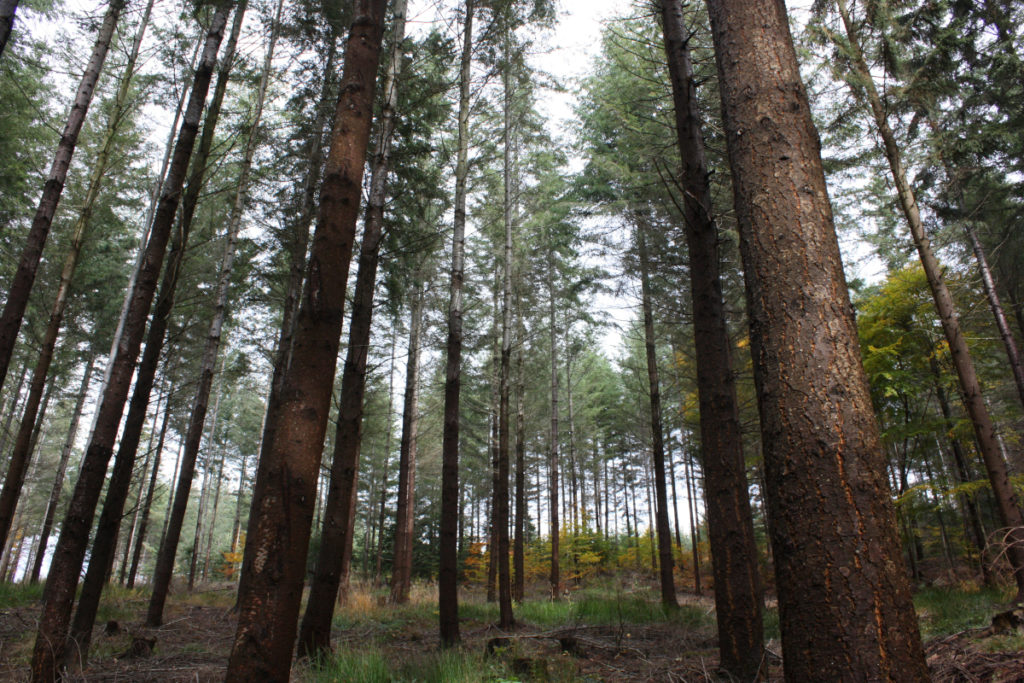
Global warming is forcing forest owners to adapt their forests to future climatic conditions. In the course of forest conversion, the future of the forest is to be secured with new tree species or combinations. But climate fitness is not the only goal: forests should be profitable, have a high level of biodiversity and also act as a greenhouse gas sink. How to reconcile all this is the focus of the two-year ACRP research project ManageBeech.
Robinia, Douglas fir and red oak were introduced to Europe several hundred years ago and are among the 530 tree species that are non-native to Europe. The international ALPTREES project has developed a risk assessment system for this purpose and published manuals on the management of non-native tree species in forests and urban areas.
The ConnectPLUS project funded by Waldfonds serves to preserve, improve, and restore stepping stone biotope areas that are valuable for nature conservation. These serve as reproduction or retreat sites for species to be protected.
Several installed umbrella nets have shown damage due to overloading. This raises the question of which typical damage patterns occur in the structure and what types and magnitudes of loads cause them. How can such damage be prevented? Additionally, it is essential to determine the required maintenance and repair measures, as well as the expected lifespan of the system.
The Austrian Research Centre for Forests (BFW) has published the Austrian Forest Report 2023 on behalf of the Federal Ministry of Agriculture, Forestry, Regions and Water Management.
The Salamander project serves to conserve and protect threatened species in forest ecosystems by strengthening knowledge transfer and implementing biodiversity conservation measures in sustainable forest management.
Together with EVOLTREE and the Czech University of Life Sciences (CZU), BFW is organizing a five-day summer school at the Forestry Training Centre in Traunkirchen from 28 July to 1 August 2025.
Within the framework of the Interreg Alpine Space Project MANFRED over 20 institutions have addressed the issue of how mountain forests can be adapted to the risks of climate change.
Microsoft will no longer support Internet Explorer. Therefore please download a modern browser to view the BFW website.