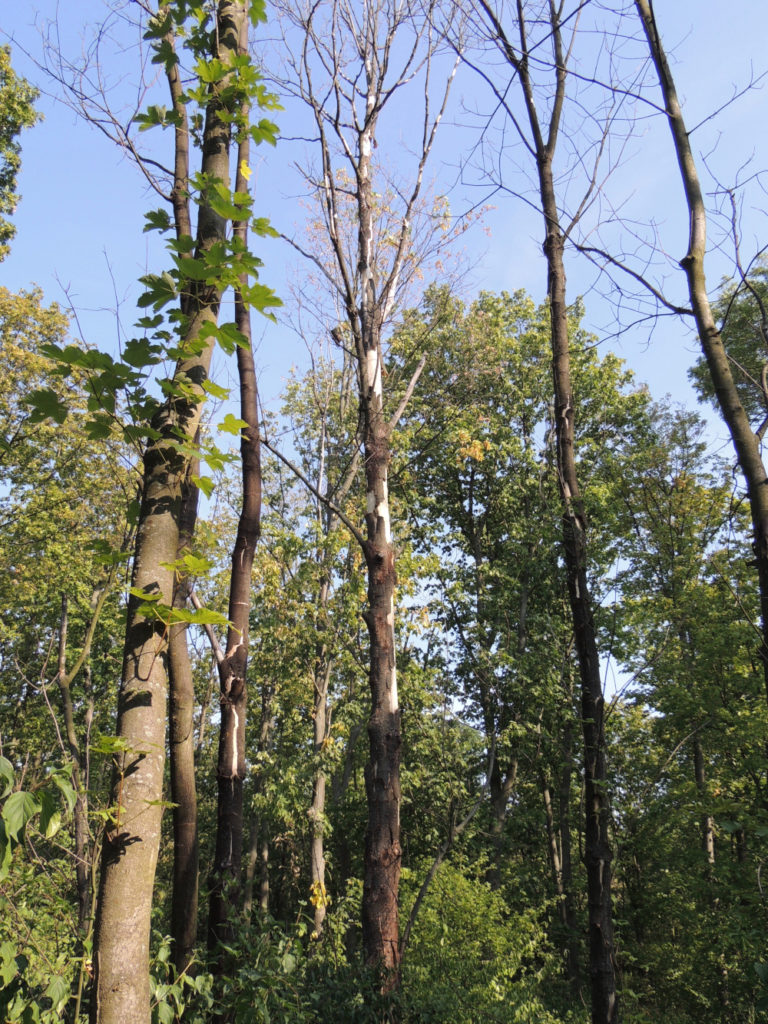
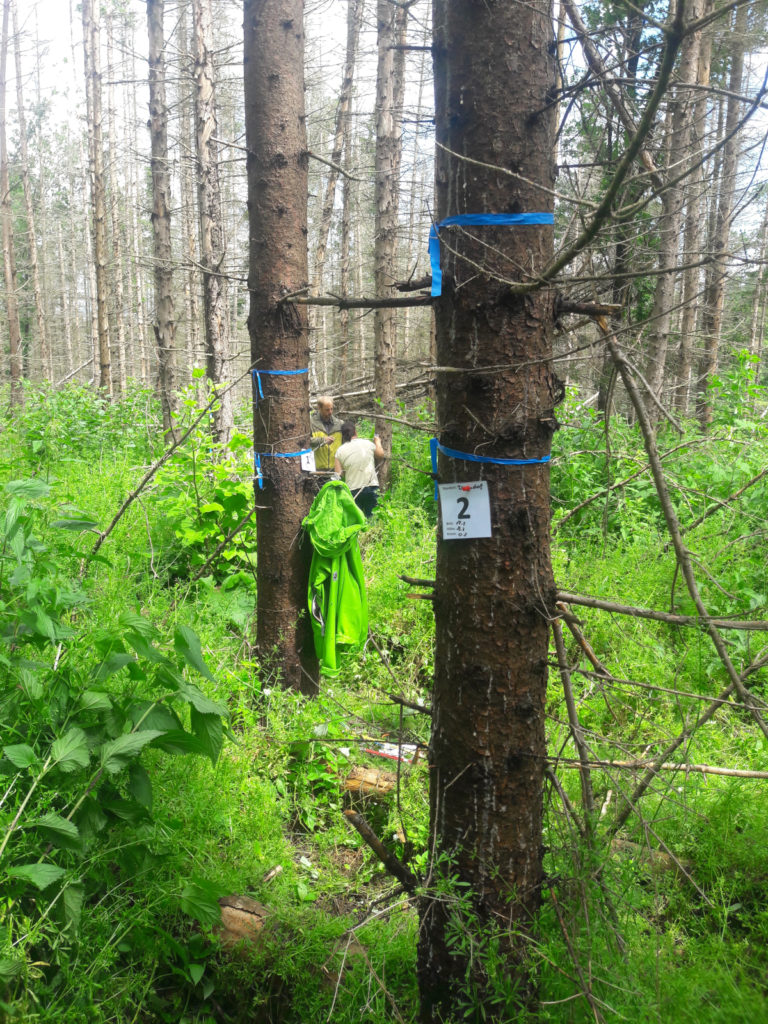
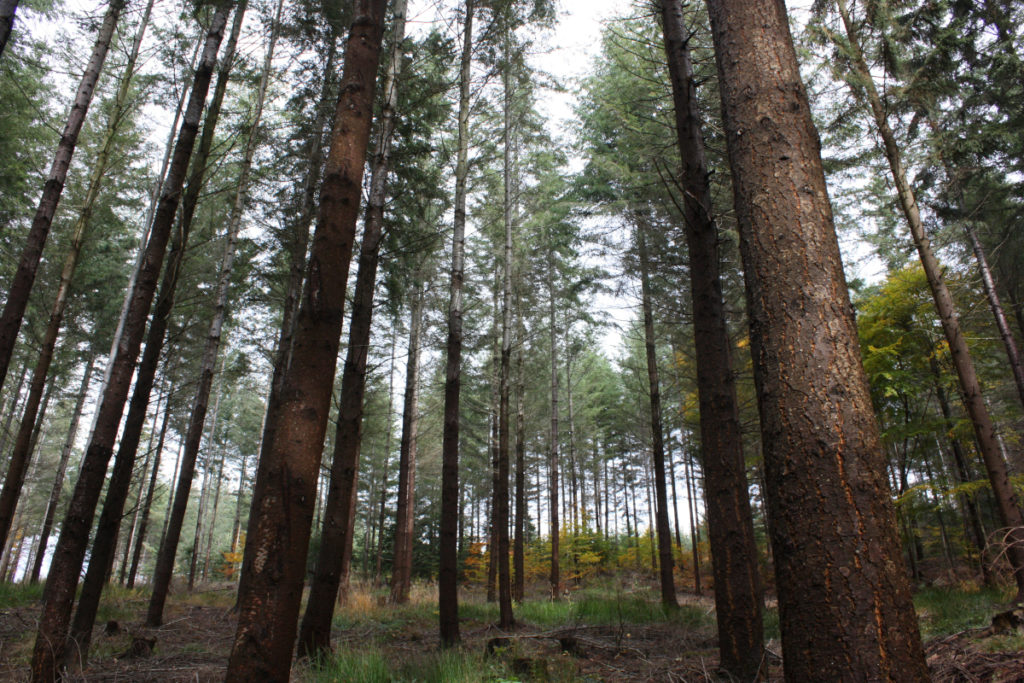
Fir, pine, maple and oak have a high tolerance to heat and drought. Nevertheless, there is currently an increased occurrence of a number of pests and pathogens on these "tree species of the future". In the "CLIFF" project, knowledge about these organisms is to be expanded.
The BML commissioned a consortium with the participation of the Austrian Research Center of Forests (BFW) with the project "FORSITE II - Development of the ecological basis for a dynamic forest typing in Upper Austria, Lower Austria and Burgenland".
In this policy brief we propose measures to maintain the forest carbon sink strength and provide information for the time horizons for achieving the targets
The 5-year project aims to support the protection and sustainable use of forest genetic resources in Europe in the face of environmental and societal challenges.
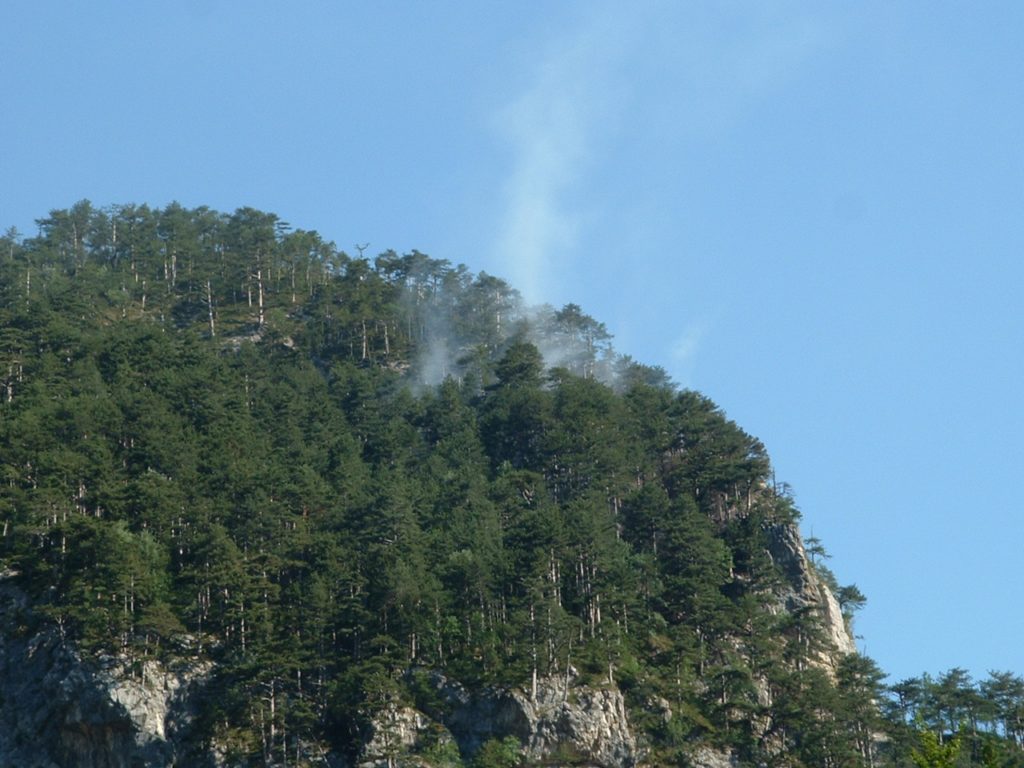
In the future, the risk of forest fire will be a permanent threat of summer in Austria as well. How we can better deal with it is being researched in the Austria Fire Futures project.
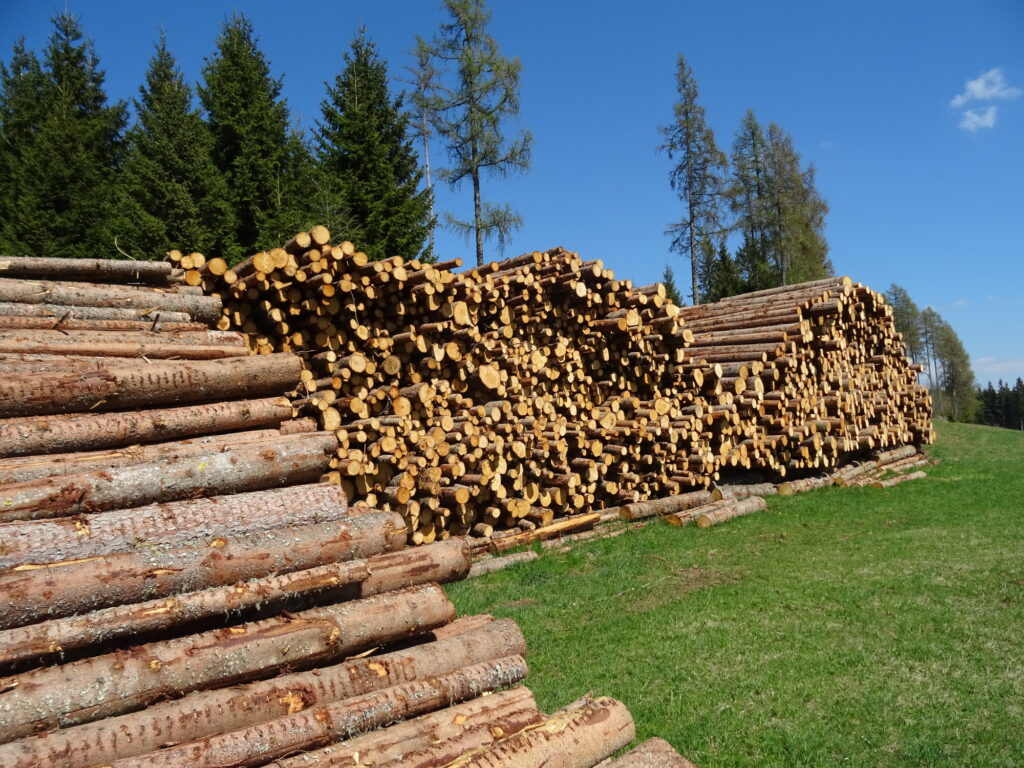
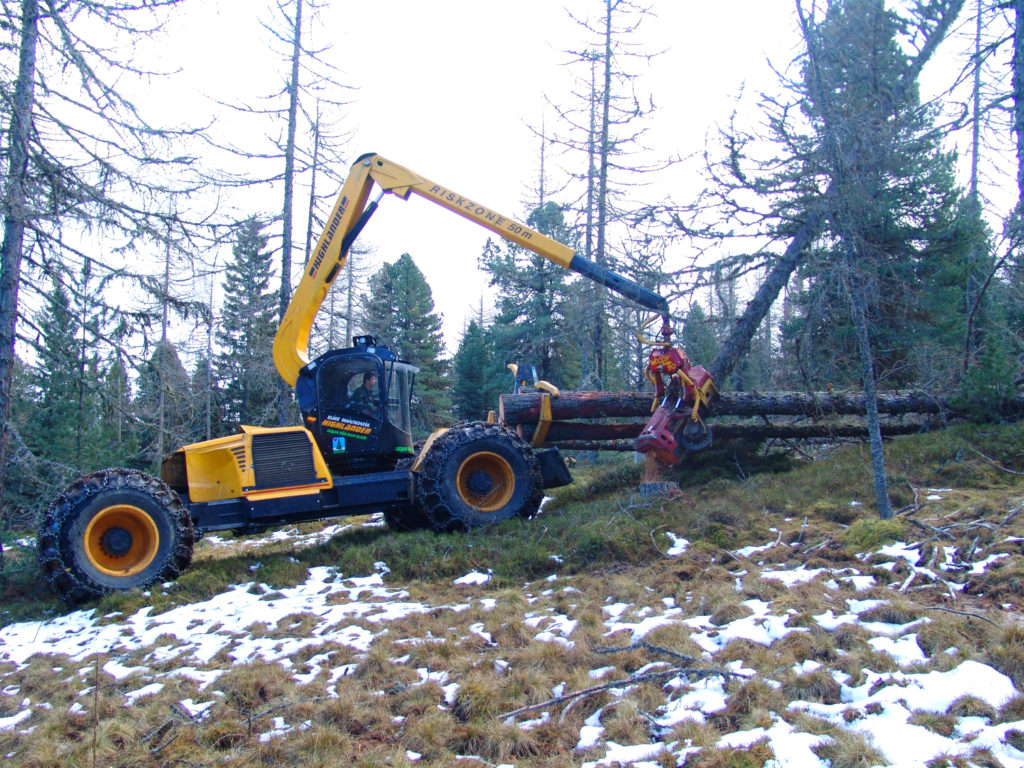
Mechanised forestry makes management much easier, but not every harvesting method is suitable for all sites. The HOBO project makes the various possibilities and their aptitudes visible.
Global warming does not make silvicultural decisions any easier, and the catastrophes of recent years have increased the uncertainties. The Bark-BeAT project aims to help.
Global warming is forcing forest owners to adapt their forests to future climatic conditions. In the course of forest conversion, the future of the forest is to be secured with new tree species or combinations. But climate fitness is not the only goal: forests should be profitable, have a high level of biodiversity and also act as a greenhouse gas sink. How to reconcile all this is the focus of the two-year ACRP research project ManageBeech.
Robinia, Douglas fir and red oak were introduced to Europe several hundred years ago and are among the 530 tree species that are non-native to Europe. The international ALPTREES project has developed a risk assessment system for this purpose and published manuals on the management of non-native tree species in forests and urban areas.
The ConnectForestBiodiversity project makes an important contribution to the conservation and enhancement of habitat connectivity through the establishment and setting aside from management of habitat patches in forests.
Global trade and worldwide shipping of wood and wood packaging material lead to an increase in Asian longhorn beetle outbreaks in Europe. Dogs are trained at the BFW in Vienna to detect Anoplophora.
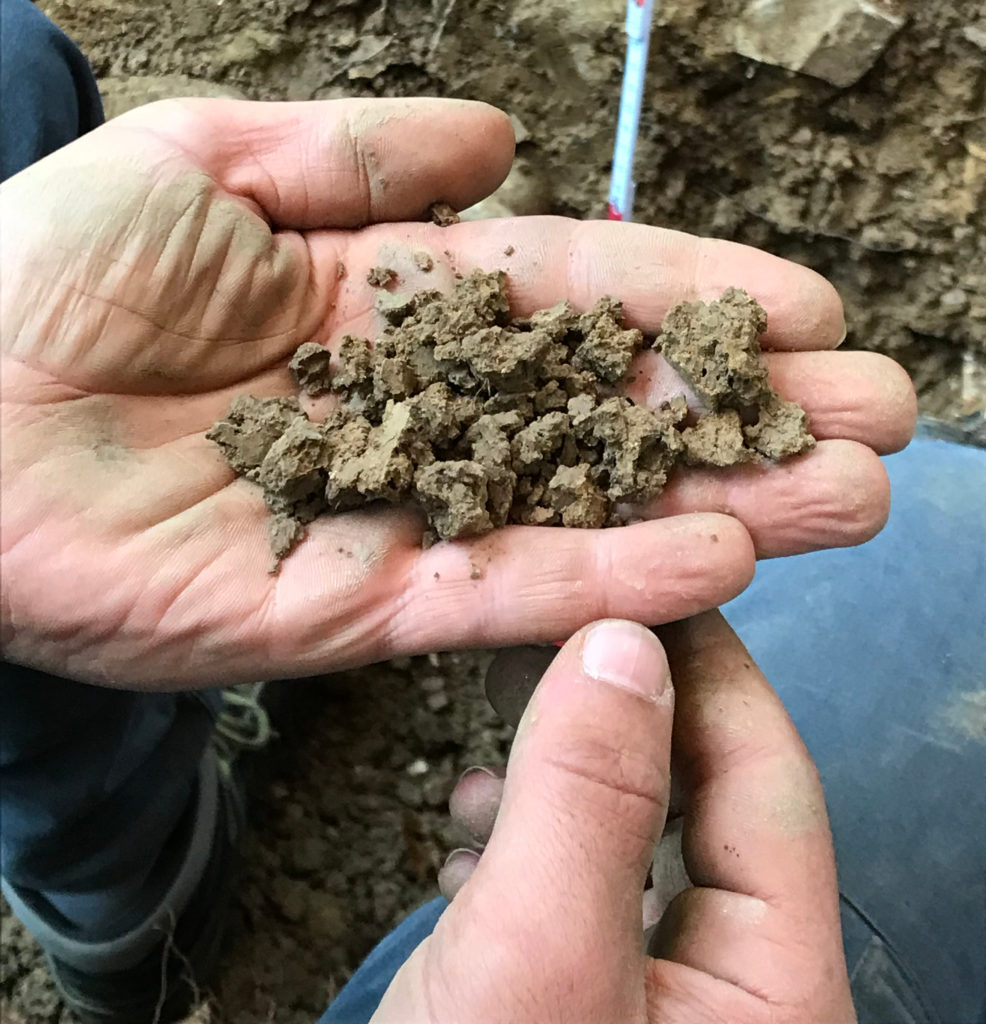
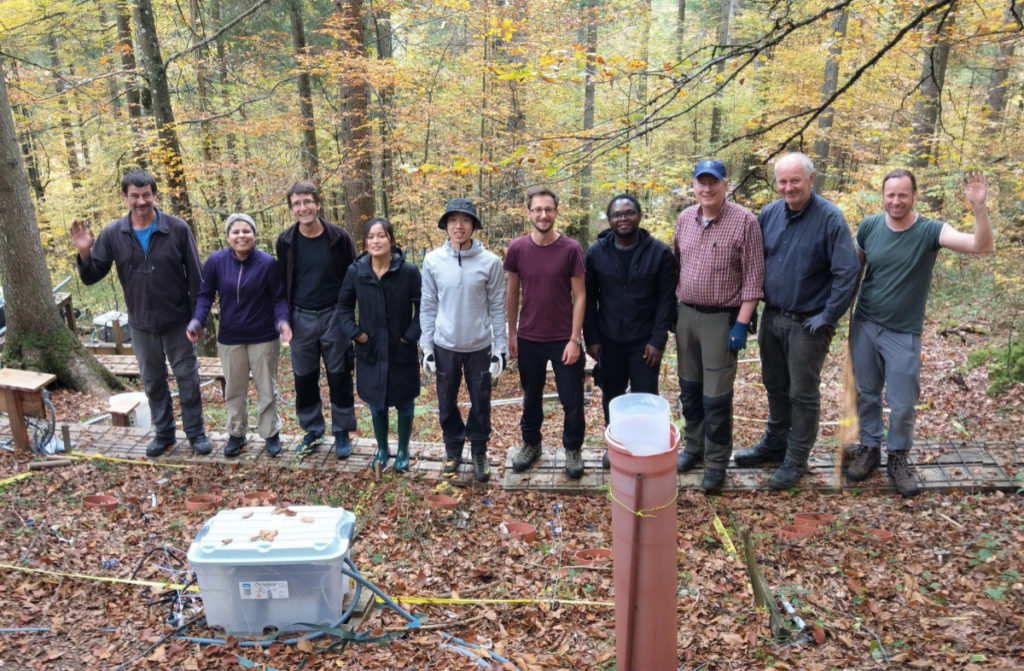
The project investigates how global warming affects forest soil processes. A special focus lies on soil carbon. Forest soil store huge amounts of organic carbon which could be released into the atmosphere. Decomposer microbes mineralize dead organic matter such as leave and root litter and thereby release important nutrients for plant growth. A share of […]
Within the REFOCuS project a holistic strategy for both managed and protected forests will be developed, comprising appropriate silvicultural methods and conservation strategies.
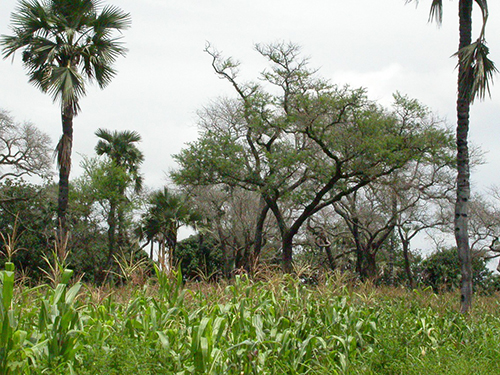
Burkina Faso, situated in the west of Africa, experiences a tropical climate depending on its geographical location. The rainy season lasts for almost two to five months and is a major driver of its floristic and vegetational characteristics of the region. The typical park landscapes i.e. cultivated landscapes created for agroforestry practices are exposed to […]
A presenter on day 5 of ISSW2018 put forward this bold statement. Day 5 was dedicated to avalanche training and rescue. Many presentations highlighted that self-reflection is required in each and every sphere of snow-related activity, in particular in risky situations. The stability of the snow pack, avalanche forecasting and the role of new media […]
Microsoft will no longer support Internet Explorer. Therefore please download a modern browser to view the BFW website.