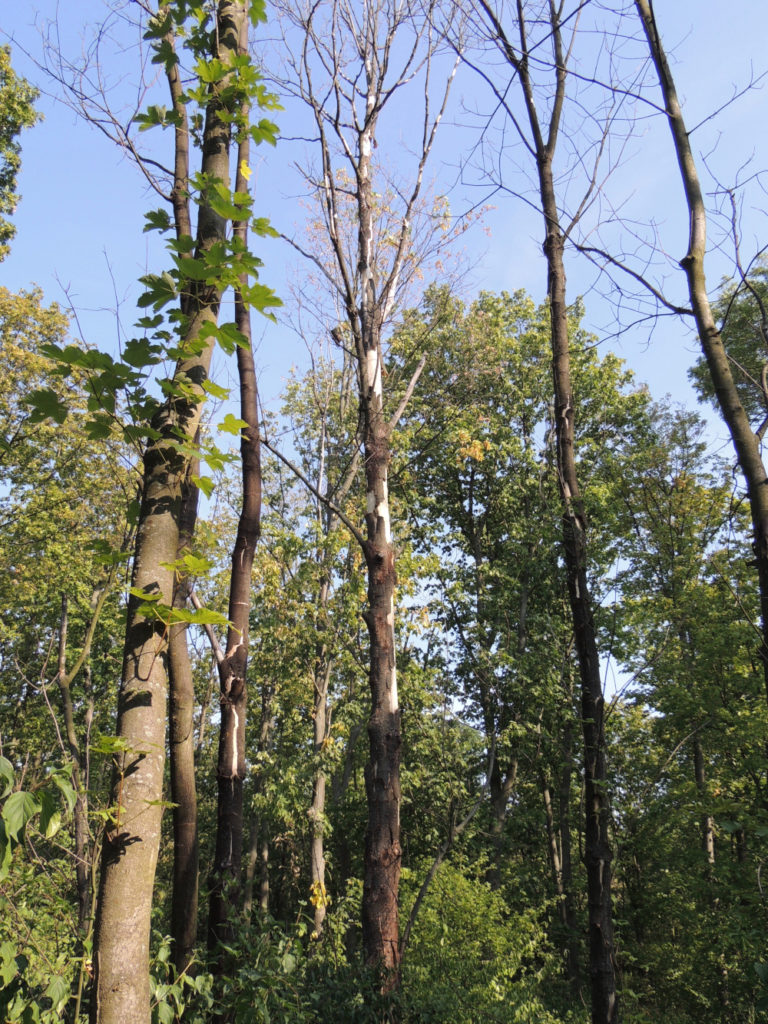
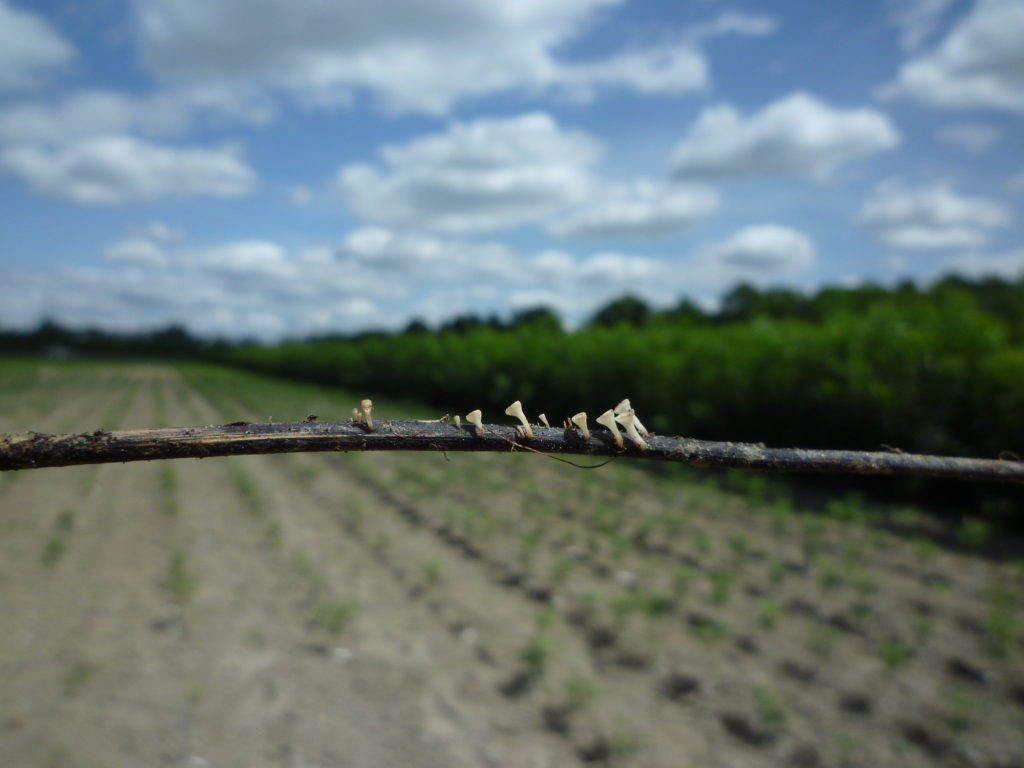
Fir, pine, maple and oak have a high tolerance to heat and drought. Nevertheless, there is currently an increased occurrence of a number of pests and pathogens on these "tree species of the future". In the "CLIFF" project, knowledge about these organisms is to be expanded.
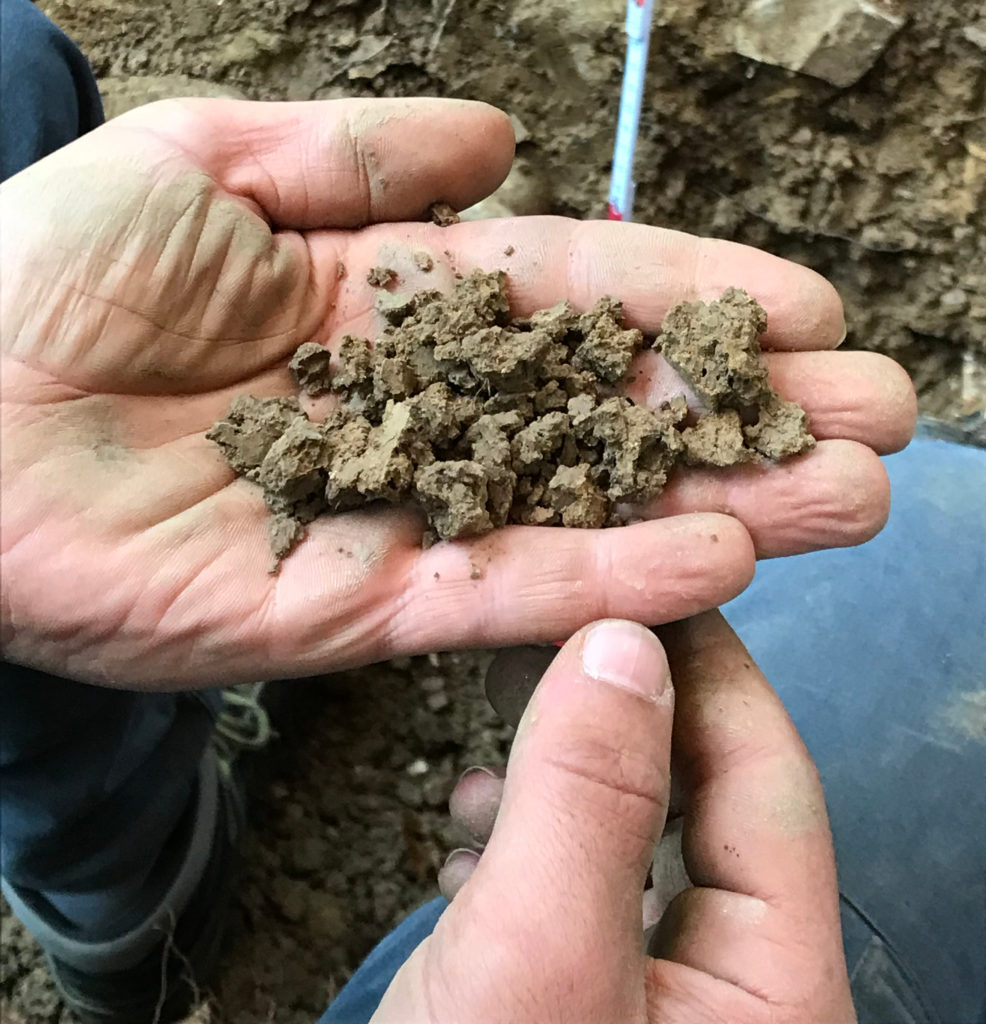
The BML commissioned a consortium with the participation of the Austrian Research Center of Forests (BFW) with the project "FORSITE II - Development of the ecological basis for a dynamic forest typing in Upper Austria, Lower Austria and Burgenland".
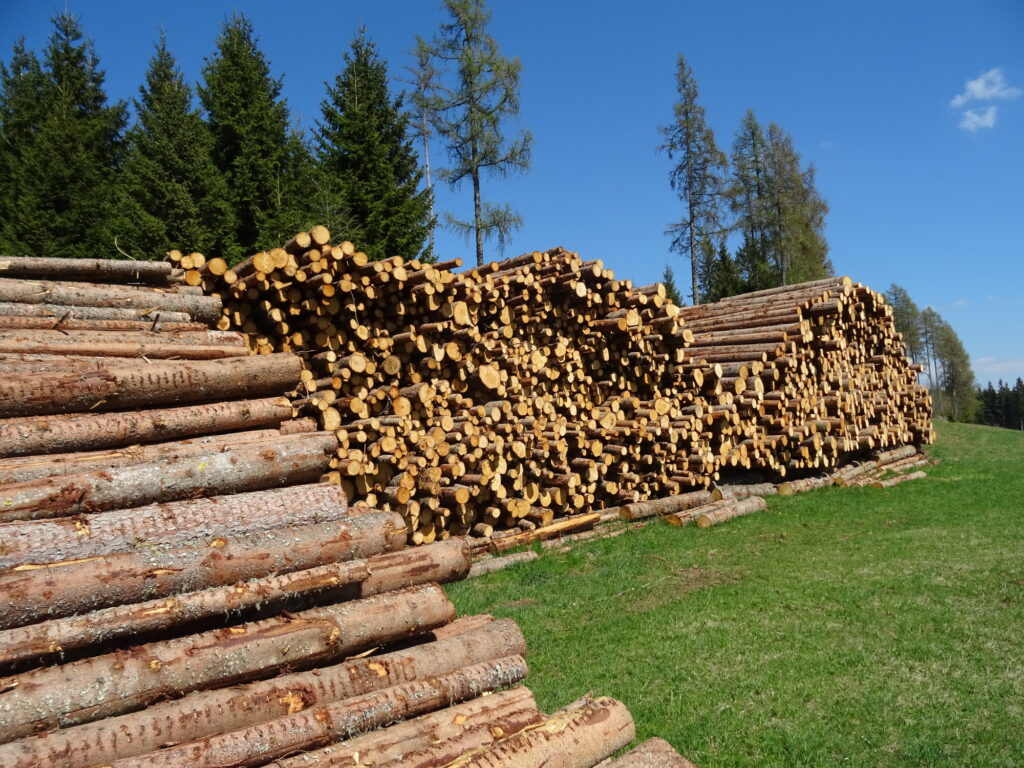
In this policy brief we propose measures to maintain the forest carbon sink strength and provide information for the time horizons for achieving the targets
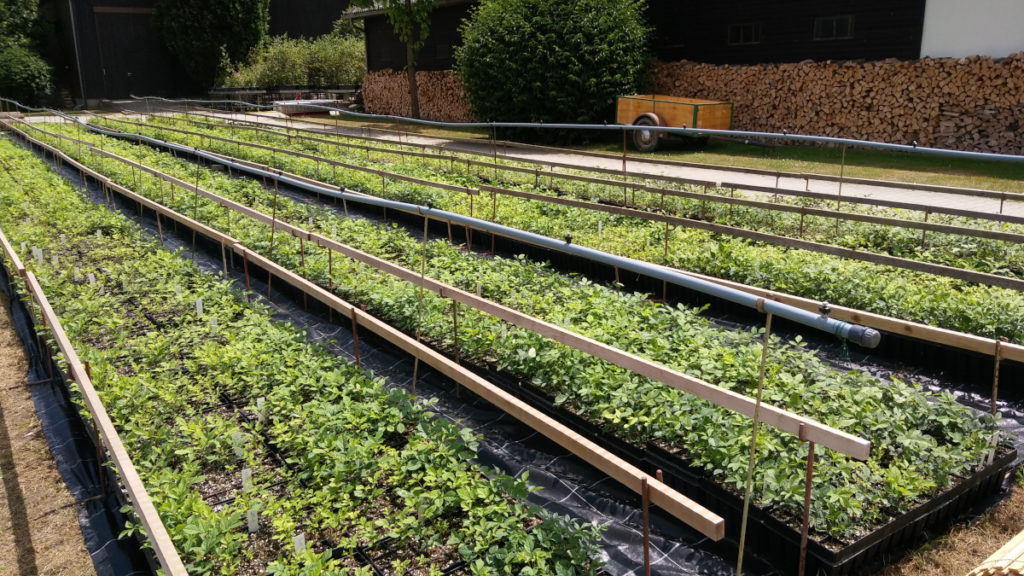
The team of the Experimental Nursery supports numerous research projects and offers multiple services including training.
Science and practice from across Europe are joining forces under the leadership of the European Forest Institute to ensure the long-term development of biodiversity and ecosystem services of our forests. The Austrian Research Centre for Forests (BFW) is contributing its expertise in silviculture, genetics and conservation in regeneration and afforestation measures to this effort.
Open Access Journal NeoBiota: Biodiversity experts from Central and Southeastern Europe assessed threats to riparian forests.
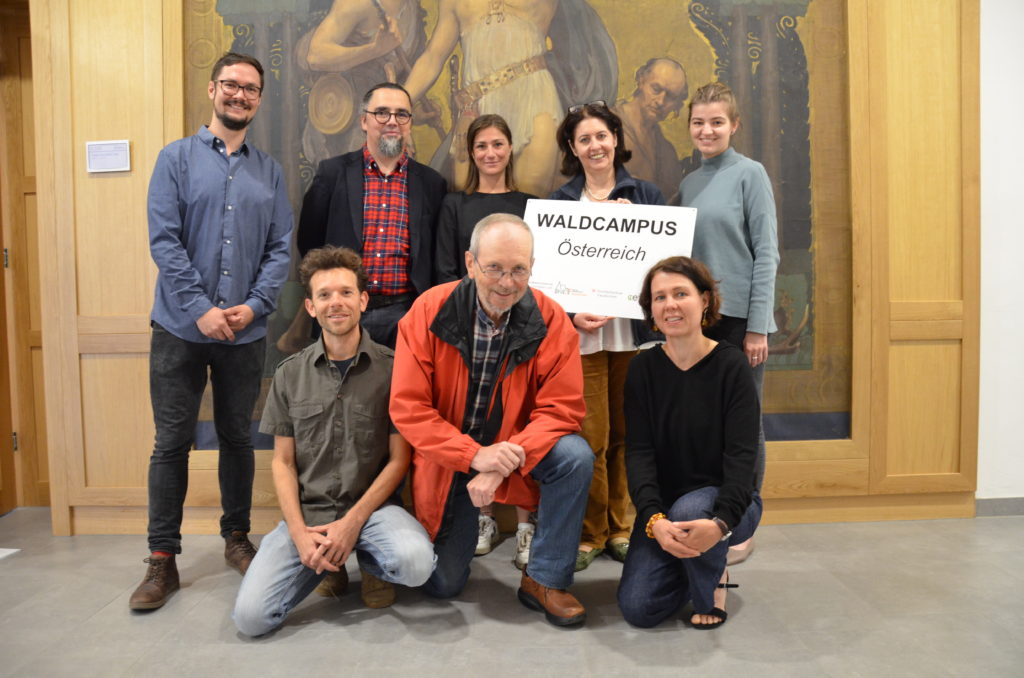
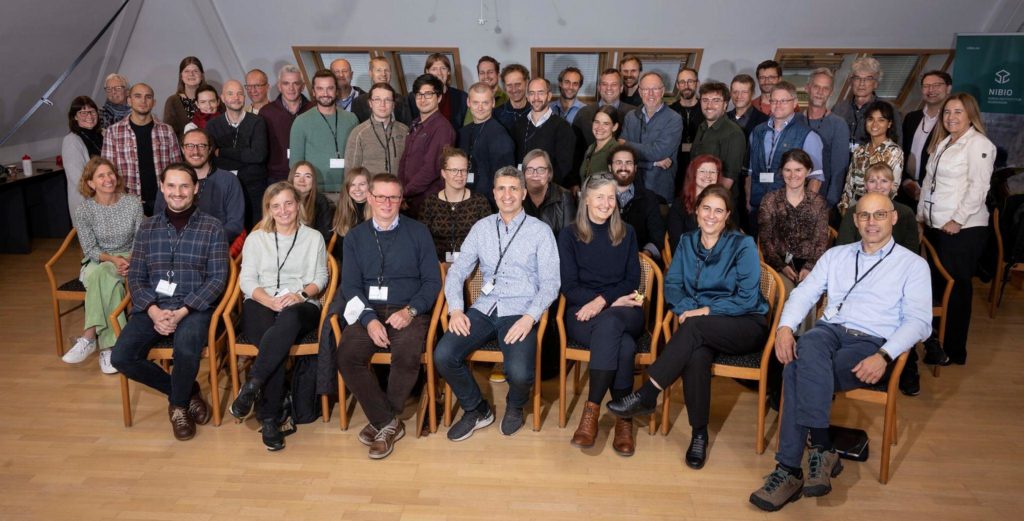
32 participants came together at WALDCAMPUS Austria in Traunkirchen for the Green4C National Launch Event to exchange, network and learn about nature-based solutions in urban and rural areas.
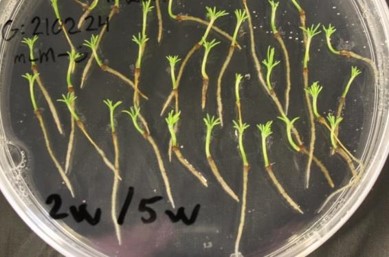
An innovative project aims to preserve valuable genetic resources an bring climate-adapted forest seeds and seedlings faster into the forest.
In 2013 the Stabilisation and Association Agreement (SAA) between the EU and the Republic of Serbia entered into force. Article 1 Section 2 (d) of the SAA states that the aim of the Association established is "to support the efforts of Serbia to develop its economic and international cooperation, including through the approximation of its legislation to that of the Community".
Gene conservation forests are the instrument for in situ gene conservation of forest genetic resources in Austria.
A better monitoring of Europe’s forest will help countries mitigate and adapt to climate change.
The use of non-native tree species polarise the opinions of experts and citizens. Adaption to climate change versus invasiveness are factors to be considered in the future management of forests and urban tree populations.
In-flow data with high precision in real avalanche scenarios are the product of the cooperative project of BFW Institute for Natural Hazards Innsbruck, TU Berlin and University of Innsbruck. This approach is now being applied for the first time to snow avalanches. The destructive potential of gravitational mass flows, such as snow avalanches, has a […]
In order to counteract the rapid climate change in the Austro-Hungarian border region in practice, as part of the INTERREG project REIN-Forest , regional guidelines for forest reproductive material (FRM) transfer is going to be developed. Reforestation of six demonstration sites is planned with local and with adapted to the future climate FRM of two native tree species, European beech and sessile oak.
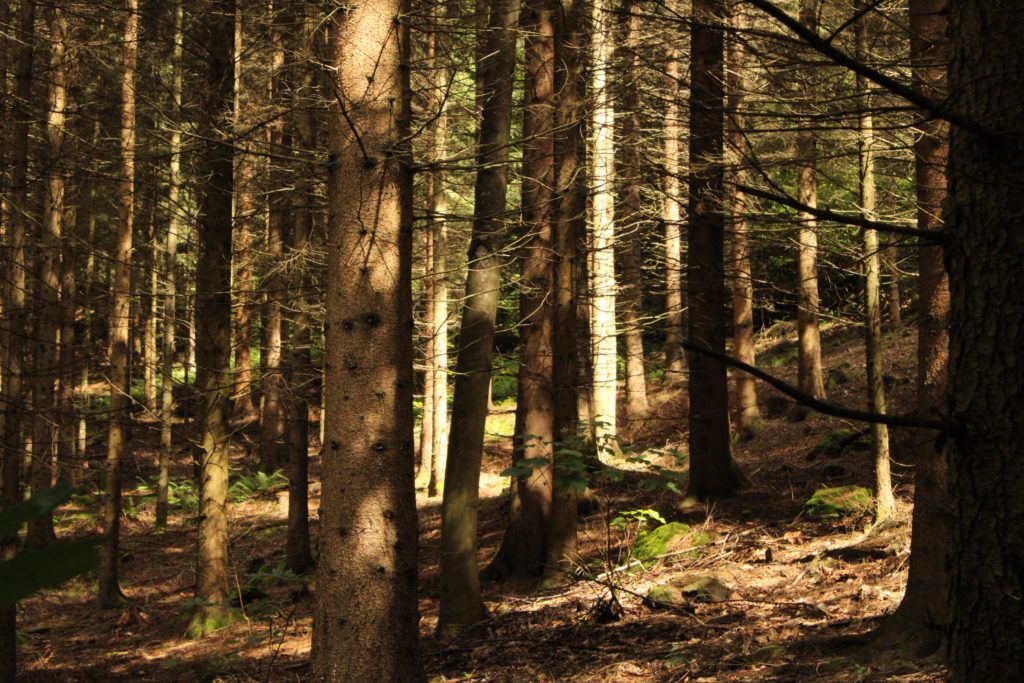
The forests of Central Europe provide a diverse range of ecosystem services, including carbon sequestration, protective functions, biodiversity support, and job creation, while also serving as cost-effective measures for climate protection. However, the effects of climate change are increasingly threatening forest ecosystems and presenting them with major challenges in terms of adapting to changing climatic conditions and protecting biodiversity.
Microsoft will no longer support Internet Explorer. Therefore please download a modern browser to view the BFW website.