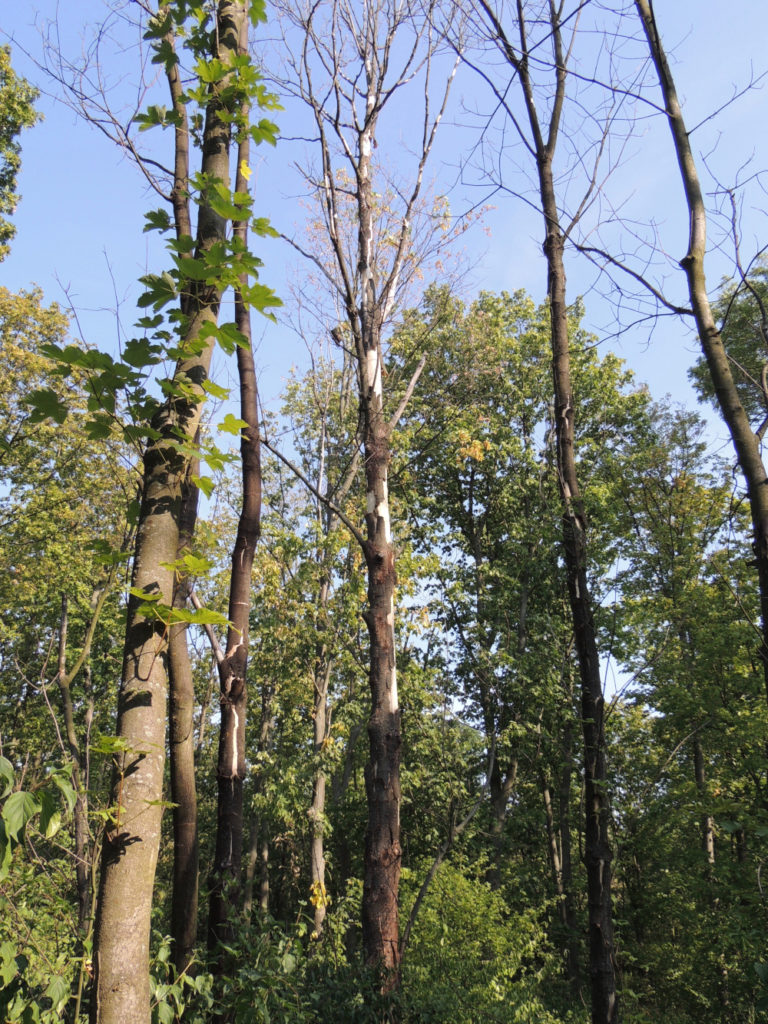
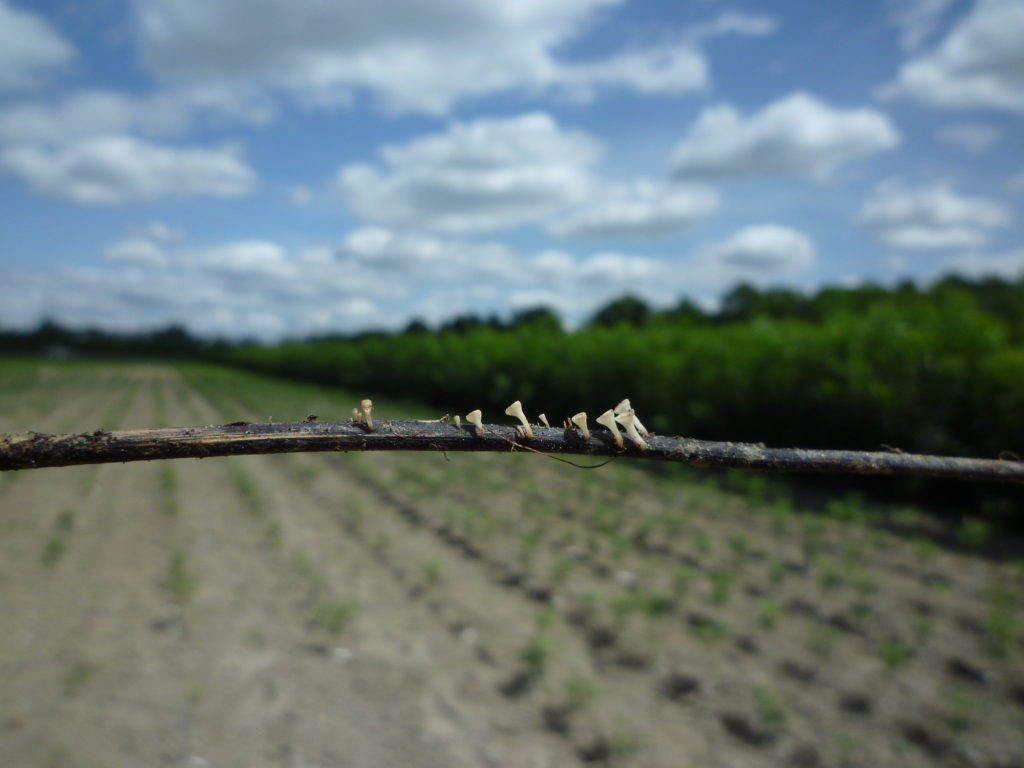
Fir, pine, maple and oak have a high tolerance to heat and drought. Nevertheless, there is currently an increased occurrence of a number of pests and pathogens on these "tree species of the future". In the "CLIFF" project, knowledge about these organisms is to be expanded.
The BML commissioned a consortium with the participation of the Austrian Research Center of Forests (BFW) with the project "FORSITE II - Development of the ecological basis for a dynamic forest typing in Upper Austria, Lower Austria and Burgenland".
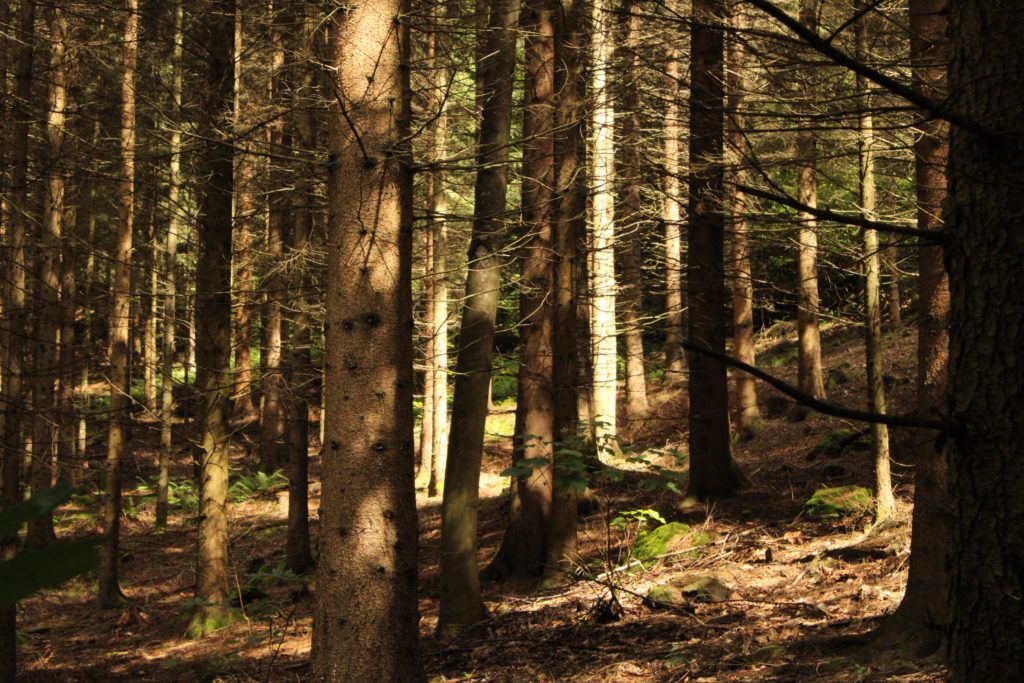
In this policy brief we propose measures to maintain the forest carbon sink strength and provide information for the time horizons for achieving the targets
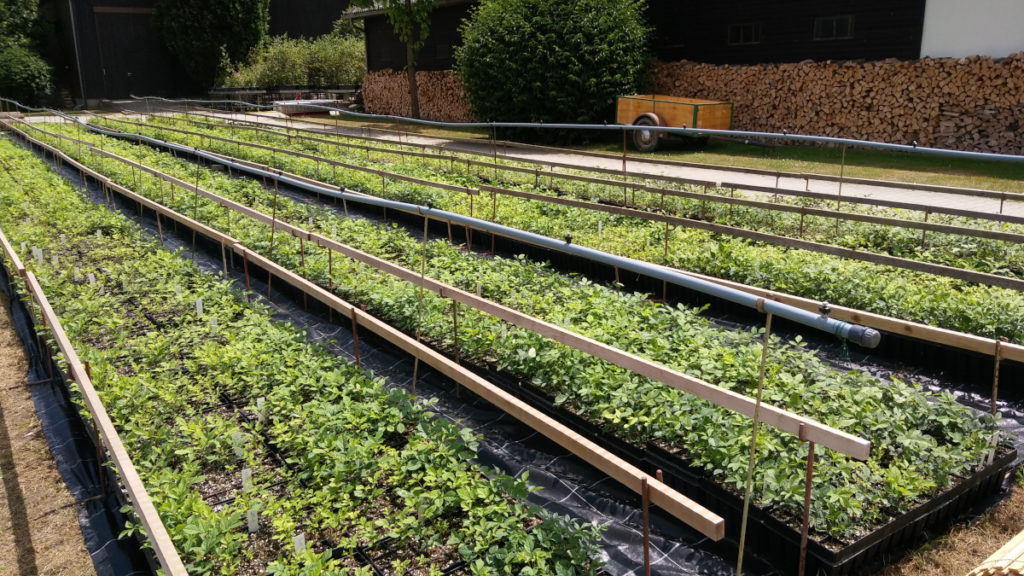
The team of the Experimental Nursery supports numerous research projects and offers multiple services including training.
Science and practice from across Europe are joining forces under the leadership of the European Forest Institute to ensure the long-term development of biodiversity and ecosystem services of our forests. The Austrian Research Centre for Forests (BFW) is contributing its expertise in silviculture, genetics and conservation in regeneration and afforestation measures to this effort.
Open Access Journal NeoBiota: Biodiversity experts from Central and Southeastern Europe assessed threats to riparian forests.
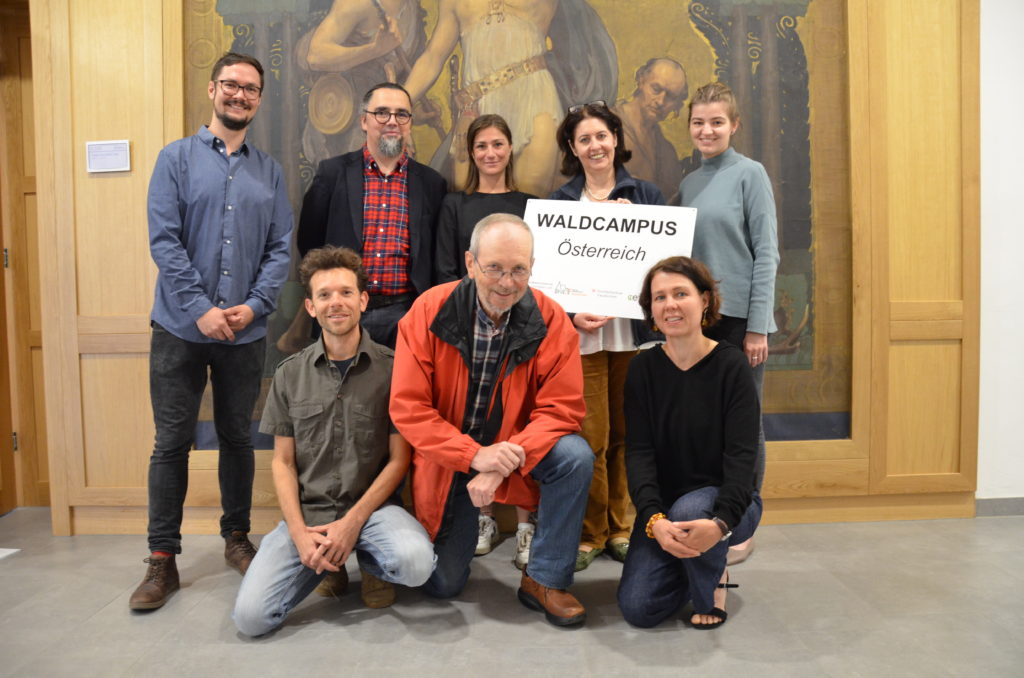
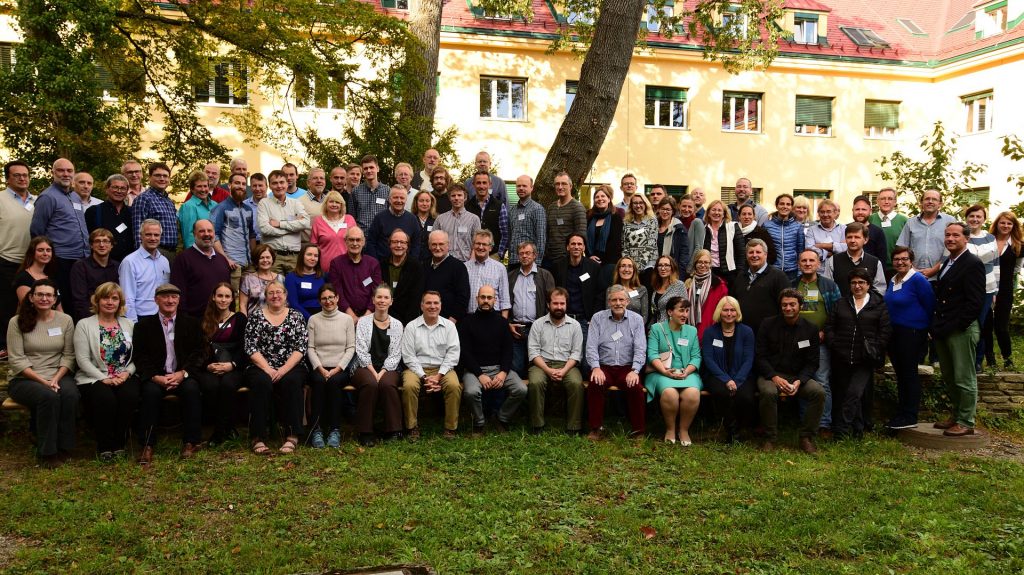
32 participants came together at WALDCAMPUS Austria in Traunkirchen for the Green4C National Launch Event to exchange, network and learn about nature-based solutions in urban and rural areas.
An innovative project aims to preserve valuable genetic resources an bring climate-adapted forest seeds and seedlings faster into the forest.
In 2013 the Stabilisation and Association Agreement (SAA) between the EU and the Republic of Serbia entered into force. Article 1 Section 2 (d) of the SAA states that the aim of the Association established is "to support the efforts of Serbia to develop its economic and international cooperation, including through the approximation of its legislation to that of the Community".
The Conference Preparing Europe for invasion by the beetles emerald ash borer and bronze birch borer, two major tree-killing pests, held in Vienna, Austria, on 1-4 October 2018. The conference focus on the threats to European forests from two tree-killing pests, the emerald ash borer (EAB), Agrilus planipennis, a buprestid native to SE Asia and […]
In the framework of the UCPM project TRANS-ALP institutions from Italy and Austria are working together to improve the impact prediction of storm events for the area Trentino-Alto Adige/South Tyrol, Veneto as well as East Tyrol and the respective bordering regions.
The 5-year project aims to support the protection and sustainable use of forest genetic resources in Europe in the face of environmental and societal challenges.
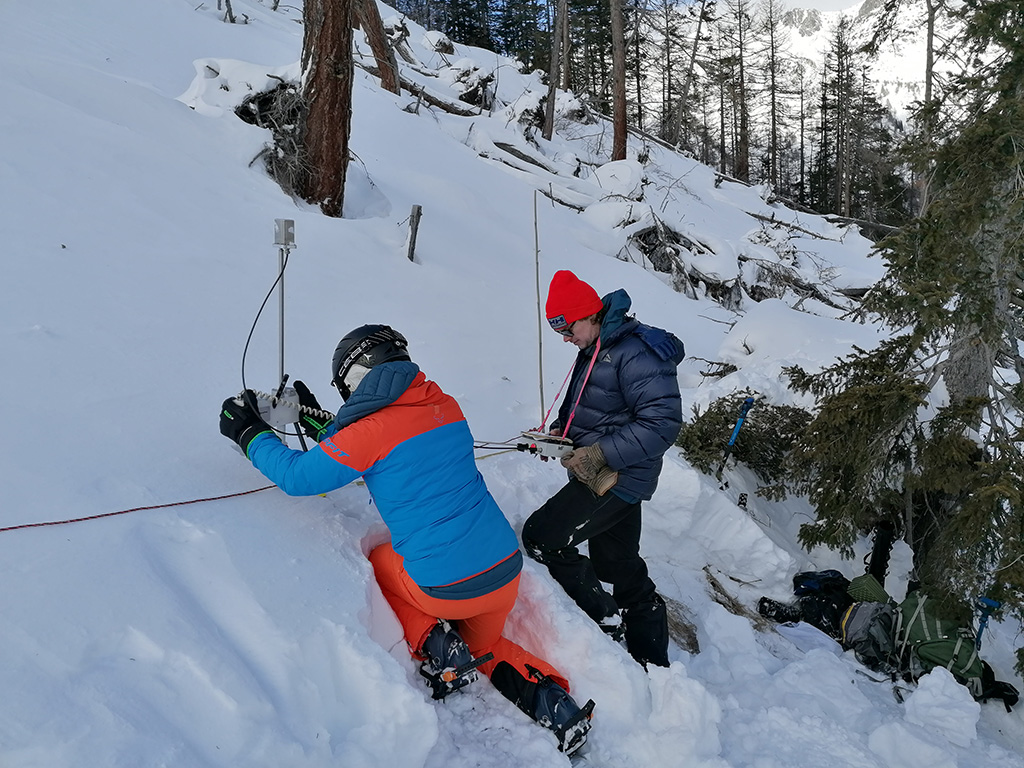
Climate change is undeniably contributing to the increase in weather- and climate-related natural disasters, affecting Alpine communities. Natural disasters are often the result of compound events, which are combinations of multiple climate- and/or weather-related hazards that contribute to societal or environmental risks.
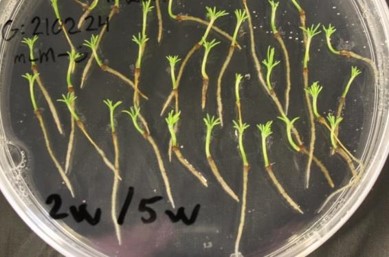
The research project FICHTETRON investigates how the Norway spruce (Picea abies) responds on a molecular level to the bark beetle species Ips typographus. The aim is to develop a standardized method for analyzing plant defense mechanisms under controlled conditions.
Until now the data of growing stock were hardly comparable across country borders. The European National Forest Inventories have now succeeded to harmonise the computation of growing stocks within the scope of the Horizon 2020 project “DIABOLO”. A major support for the information needs at the European level. National Forest Inventories are the major source […]
Microsoft will no longer support Internet Explorer. Therefore please download a modern browser to view the BFW website.